The Impact of Fitness Culture on Mental Well Being in 2026
I was reading an article today about how fitness culture in 2026 has become increasingly toxic due to social media. We are constantly bombarded with images of perfection that are simply not attainable for the average person. I think it is causing a massive rise in body image issues and gym burnout.
I have noticed that even in my local gym, people are more focused on taking selfies than actually training. It creates this performative environment where everyone is trying to show off. I am starting to find it really demotivating. I just want to lift my weights in peace without feeling like I am part of a photo shoot.
What are your thoughts on the current state of fitness culture? Do you think it is doing more harm than good for our mental well being? I would love to have a discussion about how we can make the gym a more inclusive and less judgmental space for everyone.

DigitalNative hit the nail on the head. It's truly exhausting seeing all those 'perfect' bodies online. It makes you question your own progress, no matter how hard you work. It's a mental battle more than a physical one sometimes.
 jimmywells1988
I get what you're saying, but I think it's also about perspective. If you follow accounts that promote healthy habits and body positivity instead of just aesthetics, it can be really motivating. It's a jungle out there, gotta curate your feed.
 CoachCelestine
I struggle with this daily. The pressure to look a certain way, especially as a woman, is immense. Fitness culture often feels like another way to tell us we're not good enough unless we fit a very specific, often unattainable, mold.
Is it fitness culture itself, or just social media amplifying existing insecurities? People have always compared themselves to others. Fitness is supposed to make you feel good, not bad. Maybe the issue isn't the culture, but how we consume it.

A crucial distinction needs to be made: the practice of fitness versus the *culture* of fitness. The former is beneficial; the latter, when driven by performative social media, can indeed be detrimental. The constant 'grind' mentality often leads to burnout and self-criticism.

What exactly do you mean by 'perfection that is simply not attainable'? Are we talking about extreme body fat percentages, muscle mass, or something else? I'm curious what specific images are causing the most distress.

This. So much this.

I've started actively seeking out 'unfiltered' fitness content, or people who share their off-days, their normal bodies. It's a small counter-movement but it helps balance things out. The algorithm learns what you engage with, so use it to your advantage.
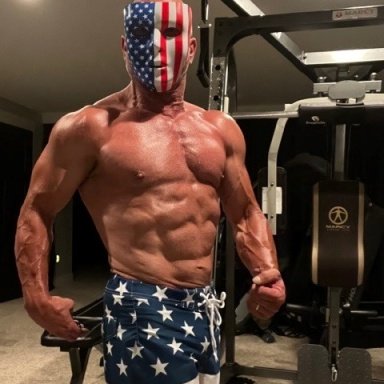
Back in my day, we just went to the gym, lifted weights, and went home. There was no 'culture' to compare yourself to, just the bloke next to you. Social media really changed the game, not always for the best.
Is it fair to blame 'fitness culture' itself, or is it more accurately the commercialisation of fitness and the influencer economy that's causing the issue? I feel like genuine fitness communities are still very supportive.

Most of what you see on social media, especially the extreme physiques, is either heavily edited, photo-shopped, or chemically enhanced. People forget that.
While there are undeniable downsides to the aesthetic pressures, let's not forget the incredible mental health benefits that genuine fitness can provide. The discipline, the endorphins, the sense of accomplishment – these are powerful tools against anxiety and depression.

It's all about individual focus. Block out the noise. Your fitness journey is yours alone. What works for others, what others look like, it's irrelevant to your personal goals and well-being.
Don't forget the financial burden too. All the supplements, the fancy gym wear, the 'must-have' gadgets. It's not just about looking good, it's about spending big to fit in, which adds another layer of stress.
 johngustilo25
Oh, 'fitness culture' just means 'buy my overpriced protein powder and follow my 30-day shred challenge' these days, doesn't it? Don't forget to use my discount code, too! For your mental well-being, of course.
 Milligan
We need to shift the narrative back to health and longevity, not just aesthetics. Fitness should be about feeling good, moving well, and preventing disease, not chasing an impossible image. That's where true mental well-being lies.
 ArnoldS
Remember when fitness was just playing outside, sports, or lifting heavy things because you needed to? There wasn't this constant introspection about how you looked. Simpler times, arguably better for the head.
 Mecca
Mecca
Ultimately, it boils down to critical thinking and self-awareness. Consume media mindfully, understand motivations (both yours and the content creator's), and always prioritize your mental and physical health over external validation. It's a tough skill to master in 2026, but essential.