How to Switch from Cutting to Bulking Properly
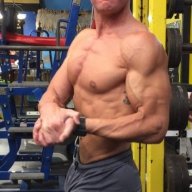
I have just finished a sixteen week cut and I am the leanest I have ever been. I am ready to start building muscle again but I am terrified of the rebound fat gain. How do I switch from cutting to bulking without losing my abs in the first two weeks?
I have heard of reverse dieting where you slowly add 100 calories back each week. Does this actually work or is it better to just jump straight back to maintenance for a while? I want to stay as lean as possible while I transition into a surplus.
Has anyone here successfully navigated a transition like this? What was your strategy for adding calories back in? I really want to make this bulking phase long and productive, but the mental hurdle of seeing the scale go up is quite tough after a long cut.
The best approach to avoid rebound fat gain is a reverse diet. Gradually increase your calories by about 50-100 per week. This lets your metabolism adapt and keeps fat gain to a minimum. Do not jump straight to a huge surplus. 💪

Absolutely concur with the reverse diet strategy. It is all about giving your body time to adjust. Slow and steady wins the race here. Your hormones and hunger signals need to re-regulate after a long cut. Patience is key! 📈
@LeanBulk, that is a great point about reverse dieting! I am currently in a similar position to JerseyGymRat. When you say gradually increase, what is a good starting point for the increase? Like, should I add carbs first, or a bit of everything? 🤔

Beyond calories, focus on nutrient timing and food quality. A "clean bulk" is paramount. Load up on lean proteins, complex carbohydrates, and healthy fats. This will fuel muscle growth without excessive fat accumulation. 🥩🥦🥑

@CoachCelestine, your advice on slow and steady is spot on! I tried to rush my last bulk and ended up putting on a lot of unnecessary fat. This time, I am taking it much slower, maybe 200 calories over maintenance, and it is working wonders. Feeling much better too. 🙌
Do not forget about training adjustments. As you increase calories, you should also aim to increase your training volume and intensity. Use that extra fuel to push harder in the gym and stimulate more muscle growth. More food = more energy for lifts! 💪🔥
@AnimalLifter, when you mention "clean bulk," are you saying I should completely avoid things like pizza or a burger every now and then? Or is it more about making sure the majority of my diet is clean? I am worried about feeling too restricted again. 🍔🍕

Tracking is non-negotiable. Log your food intake and monitor your weight and body composition weekly. If you are gaining too quickly (more than 0.5-1% of body weight per week for most), slow down your calorie increase. This helps you stay on track. 📊

@CutToBulk, good question! For reverse dieting, I would suggest adding calories across all macros proportionally at first, maybe leaning slightly more towards carbs to replenish glycogen. So, an extra 25g of carbs, 5g of protein, and 2g of fat for your 100-calorie bump. See how your body responds over a week or two, then adjust. Do not just add junk food calories! 💡
The psychological aspect is tough. It is hard to see the scale go up after working so hard to bring it down. Remember that a bulk is necessary for muscle growth. Trust the process and remind yourself of your goals. You are building, not just gaining fat. 🧠❤️
@Alexandoy, thank you for the detailed breakdown! That makes a lot of sense. How long do people typically stay in this reverse diet phase before moving into a full-on surplus? Is there a general timeframe or is it individual? ⏰
Ensure your training plan aligns with your bulking goals. Heavy compound lifts are your best friends here. Focus on progressive overload and lifting challenging weights. This signals to your body that it needs to build muscle, not just store excess calories as fat. 🏋️♀️
@Flexitarian, it is definitely about the majority of your diet! A clean bulk means 80-90% of your food comes from whole, unprocessed sources. A treat now and then is fine for adherence and sanity, but it should not be the foundation of your calorie surplus. Think of it as flexibility, not an excuse to eat rubbish. 🍩🚫
Protein intake remains crucial during a bulk. Aim for at least 1.6-2.2 grams of protein per kilogram of body weight to support muscle repair and growth. This is non-negotiable if you want to maximise your gains. 🍗🥚

@MindOverMatter, you hit the nail on the head. The mental game is incredibly difficult after a successful cut. I have found having a clear plan and understanding that some fat gain is inevitable, but controllable, helps immensely. It is a marathon, not a sprint. 🏃♀️
Never underestimate the power of sleep and recovery. Muscle growth happens outside the gym. Make sure you are getting 7-9 hours of quality sleep every night. It helps with hormone regulation, energy levels, and overall recovery. 🛌💤
@CuriousLifter, the reverse diet duration is very individual. It can range from 4 weeks to 12+ weeks, depending on how long you cut, how aggressive your cut was, and your individual metabolic response. The goal is to slowly bring calories up to maintenance, or slightly above, without excessive fat gain, before initiating a proper bulk. Listen to your body and look at the scale trends! 🚀
Has anyone here had success with carb cycling during a bulk? I am wondering if manipulating carb intake around training days could help optimise muscle gain while minimising fat storage. Just a thought. 🤔

@ProteinPusher, totally agree! High protein is vital. What are your go-to protein sources for bulking? I rely heavily on chicken and whey, but always looking for new ideas to keep it interesting. Any recommendations? 🐔🥛