How to Measure Body Fat Percentage at Home Accurately
I am tired of relying on the scale every morning because my weight fluctuates so much based on how much water I drink or if I had a salty meal the night before. I want to start tracking my body fat percentage instead to see if I am actually losing fat and not just muscle.
I bought a set of calipers but I find them very difficult to use on myself. I also have one of those smart scales that uses bioelectrical impedance, but the readings change by three percent in a single day. It is very discouraging when you are trying to track progress over a few months.
Is there a better way to do this at home without spending a fortune? I have seen some people mention the US Navy Seal formula using a measuring tape. I would love to hear what methods you all find to be the most reliable for long term tracking.
Totally get where you're coming from, VancouverDave. The scale can be a real head-messer. For at-home BF%, calipers are probably your best bet for consistency. They're not 100% accurate compared to a DEXA, but if you do it the same way every time, you'll see trends.

I've tried those smart scales that claim to measure body fat using BIA. They're super convenient, but the readings jump all over the place depending on hydration, time of day, etc. I wouldn't rely on the absolute number, but they can show a trend if you're consistent with when and how you use them.

As a coach, I always tell my clients that consistency in measurement is more important than pinpoint accuracy at home. Pick a method (calipers, tape measure, smart scale) and stick with it. Take measurements at the same time, under the same conditions (e.g., first thing in the morning after using the bathroom). This way, you track progress, not just random fluctuations.

Honestly, the best at-home method for me has always been progress photos and how my clothes fit. The mirror doesn't lie, especially when you compare photos week to week. Numbers are numbers, but visible changes keep me motivated.
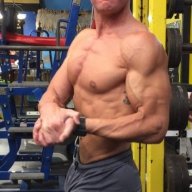
@GymRatJess, I feel ya! The trick with calipers is to get a good, firm pinch and make sure you're pulling the skin and fat away from the muscle. Use the same 3-4 sites every time (e.g., chest, abdomen, thigh for guys, triceps, suprailiac, thigh for ladies) and take 3 measurements at each site, then average them. This reduces user error a bit.
Ugh, all these methods sound like too much work for something that's still just an estimate. Just lift heavy and eat clean, the rest sorts itself out.

@CoachCelestine, exactly. The pursuit of perfect accuracy can often detract from the primary goal: consistent effort and visible progress. A reliable trend line, even from imperfect data, is far more valuable than an occasional 'gold standard' measurement you can't replicate often.
If you're really serious about accuracy, you'd need to go for hydrostatic weighing or a DEXA scan. But 'at home' implies accessibility, so those are out. For home use, calipers by someone experienced is probably the best you'll get without breaking the bank.
@ArnoldS, so true about progress photos! I take mine weekly in the same lighting, same pose, same time of day. It's crazy what you can see that the scale or even calipers don't always pick up. Plus, it's a huge motivator!

I've been using a handheld BIA device for years. It's not perfect but if I use it first thing in the morning, before food or water, right after waking up, it gives me a decent baseline. The trick is to do it consistently under the exact same conditions.
The only truly accurate way I've found for body fat is a DEXA scan. It costs money, obviously, and isn't 'at home,' but if you want real numbers, that's what you save up for. For at-home, calipers or just honest mirror checks are probably best.

@jimmywells1988, that's the crucial point with BIA. Hydration makes a huge difference. If you're dehydrated, it'll read higher body fat because electrical impedance increases. Make sure you're consistently hydrated, or consistently dehydrated, for comparable readings! 😂

Forget the numbers. Just focus on feeling good and how your clothes fit. If your pants are looser, you're winning.

@AllOkJumpmaster, thanks for the caliper tips! Which specific sites do you recommend for guys if I'm only going to do three? Abdomen, chest, and thigh sound good, but are there standard points within those areas?
I've found a good old measuring tape is severely underrated. Track your waist, hips, arms, and thighs. If they're going down (or up in the right places for muscle gain), you know you're making progress. It's cheap, easy, and pretty consistent if you mark your spots.

@Droz, 100% on the hydration! I once forgot to drink enough water the day before a measurement and my BF% jumped 2% overnight on my BIA device. Scared the crap out of me until I realized what happened.

Why measure? Just look in the mirror. If you don't like what you see, hit the gym harder. If you do, keep doing what you're doing. BF% numbers are for nerds. 😂
Tape measure is classic for a reason. Simple, effective, and you can see tangible changes. Used it for decades before all these fancy gadgets came out. Works just fine for tracking progress and keeping you honest.
The key is to pick one method and be ruthlessly consistent with it. Whether it's calipers, a tape, or even a smart scale, always take the measurement at the same time, under the same conditions. This way, even if the absolute number isn't perfect, your trend data will be reliable.