Article
Prework out tips
 Apr 13, 2026
Updated Apr 13, 2026
3 min read
Apr 13, 2026
Updated Apr 13, 2026
3 min read
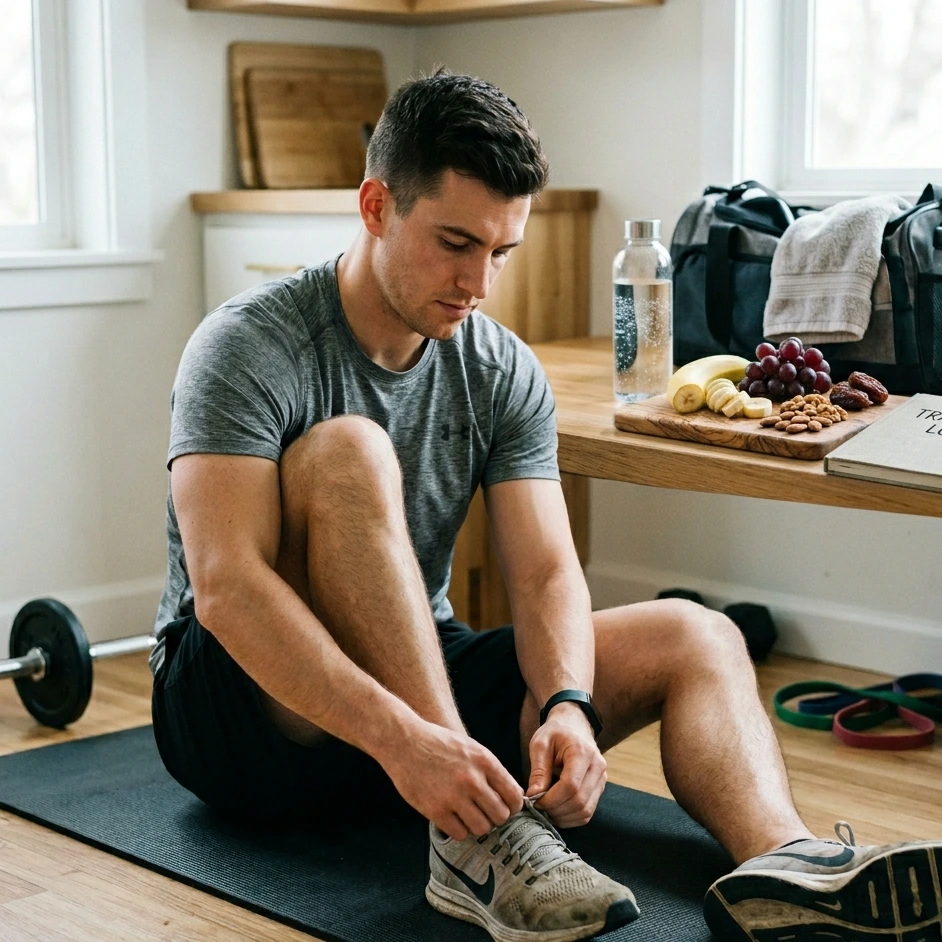
Master the science of the "window before the work." This comprehensive guide covers nutrition, hydration, neurobiology, and timing to ensure every session is performed at peak capacity.
Part 1: The Philosophy of the Pre-Workout Window
The pre-workout phase isn't just the 15 minutes before you lift; it is a 4-to-24-hour physiological runway. To reach peak performance, we must look at the body as a high-performance engine that requires specific priming.
The Three Pillars of Preparation
Fueling (Nutritional): Glycogen replenishment and amino acid availability.
Firing (Neurological): Central Nervous System (CNS) activation and focus.
Flowing (Vascular/Hydration): Blood flow, oxygen delivery, and electrolyte balance.
Part 2: Nutritional Mastery
The Macro-Timing Strategy
Your "pre-workout meal" actually begins the night before. For morning trainees, dinner is the primary source of stored muscle glycogen.
2–3 Hours Before: Focus on complex carbohydrates (oatmeal, brown rice, sweet potatoes) and lean protein (chicken breast, egg whites). The goal is slow-release energy.
30–60 Minutes Before: Shift to simple, high-glycemic carbohydrates (bananas, rice cakes, white bread). These provide an immediate glucose spike for the blood.
The Role of Protein
Ingesting 20–30g of protein before exercise can reduce Muscle Protein Breakdown (MPB) during the session, allowing the recovery process to start before you even finish your last set.
Part 3: Hydration and Electrolyte Dynamics
Hydration is more than just drinking water; it is about maintaining the electrical gradient of your cells.
The Sodium Secret
Sodium is the primary electrolyte lost in sweat and is essential for muscle contractions.
Tip: Try a pinch of sea salt in your pre-workout water to improve the "pump" and prevent intra-workout cramping.
Monitoring Fluid Levels
Aim for 500–700ml of water 2 hours before training, and another 250ml 15 minutes prior. If your urine is darker than lemonade, you are already starting at a disadvantage.
Part 4: The Science of Supplements
While whole food is king, supplements offer a concentrated "edge."
Caffeine: The gold standard for CNS arousal. Dose at 3–6mg per kg of body weight.
Beta-Alanine: Helps buffer lactic acid. Look for the "tingle" (paresthesia) as a sign of activity.
L-Citrulline: Enhances nitric oxide production for better vasodilation and nutrient delivery.
Creatine Monohydrate: While cumulative rather than acute, taking it pre-workout ensures it becomes part of your daily ritual.
Part 5: Neurobiological Priming
Training begins in the brain. If your mind is sluggish, your muscles will follow.
The Dopamine Baseline
Avoid "cheap" dopamine hits before the gym (scrolling social media, video games). This can lead to a crash during your heavy sets. Instead, use music or silence to build a controlled state of "arousal."
Cognitive Association
Develop a "trigger" for your workout. This could be a specific playlist, the smell of a certain liniment, or the act of putting on your lifting shoes. This tells your brain to switch from "daily life" mode to "performance" mode.
Part 6: Physical Warm-up Protocols
Static stretching is dead for pre-workout. Dynamic movement is the new standard.
The RAMP Protocol
Raise: Increase body temperature and heart rate (light jogging, jumping jacks).
Activate: Engage the key muscles you're about to use (glute bridges, planks).
Mobilize: Move joints through their full range of motion (arm circles, leg swings).
Potentiate: Perform explosive movements related to your workout (jump squats or medicine ball slams).
Part 7: Environmental and Logistical Prep
Gear Check: Ensure your gym bag is packed the night before. Decision fatigue is a real performance killer.
Temperature Regulation: If training in the cold, keep your joints warm with sleeves or extra layers until you are fully mobile.
The Power of Routine: The most successful athletes follow the exact same 30-minute ritual every single day. Consistency creates a "flow state."
Part 8: Recovery Begins Before the Start
Ironically, the best pre-workout tip is sleep. No amount of caffeine can replace the hormonal benefits of 7–9 hours of rest. If you are chronically underslept, your pre-workout should focus more on hydration and mobilization than high-stimulant powders.
Summary Checklist
[ ] Hydrated (pale urine)
[ ] Glucose levels topped up (1 hour prior)
[ ] Electrolytes balanced (sodium intake)
[ ] Mental focus "switched on"
[ ] Joints mobilized and core body temperature raised
Disclaimer: This article is for general educational purposes only and is not medical advice. It is not a substitute for professional diagnosis or treatment. Always consult a qualified healthcare provider before making changes to your diet, supplements, training, or medication.