Optimal Muscle Recovery: 5 Smart Techniques Backed by Data, Not Just Anecdote
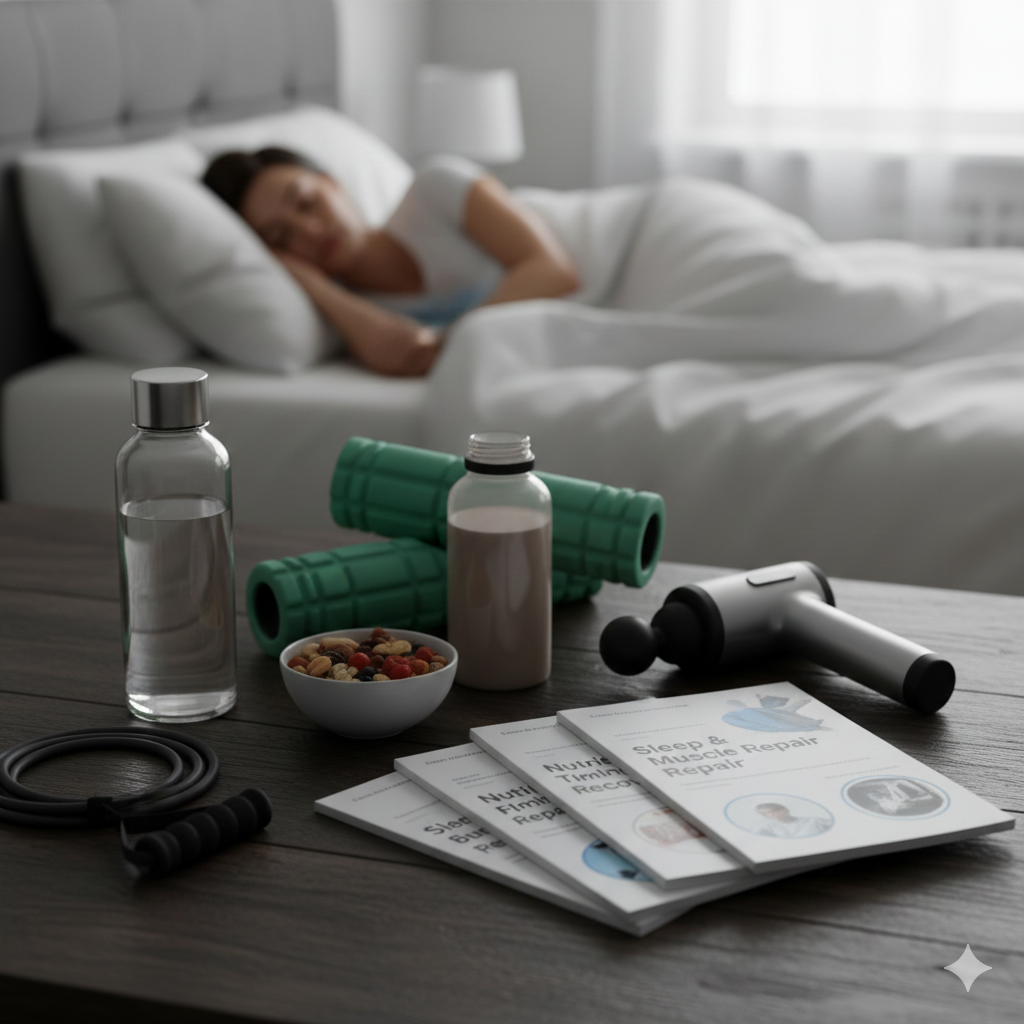
Muscle recovery is just as important as the workout itself. Without proper recovery, your muscles can't repair, grow, or get stronger.
Many recovery methods are based on trends or personal stories. But what does the science actually say? This guide focuses on recovery techniques supported by research and data.
You'll learn five proven strategies that help your muscles recover faster and more effectively. These methods work for beginners, intermediate lifters, and advanced athletes.
Smart recovery reduces soreness, prevents injury, and improves your next workout. Let's explore what actually works.
Why Muscle Recovery Matters
When you train, you create small tears in your muscle fibers. This is normal and necessary for muscle growth.
Recovery is when your body repairs these tears. Your muscles rebuild stronger and more resilient than before. This process is called muscle protein synthesis.
Without adequate recovery, you risk overtraining. This leads to constant fatigue, decreased performance, and increased injury risk.
Good recovery also improves your mood and energy levels. You feel better and perform better in your next training session.
What Happens During Recovery
During recovery, several processes occur in your body. Your muscles repair damaged tissue. Your nervous system rebalances. Your energy stores refill.
Inflammation decreases over time. Blood flow brings nutrients to damaged areas. Waste products are removed from muscle tissue.
This entire process takes time. Rushing recovery or skipping it entirely prevents these natural processes from completing.
The Science of Muscle Recovery
Research shows that recovery is not passive. Active recovery strategies can speed up the process.
Studies measure recovery using several markers. These include muscle soreness, strength levels, range of motion, and inflammation markers in the blood.
The best recovery techniques address multiple aspects of healing. They reduce inflammation, improve blood flow, support tissue repair, and restore energy levels.
Let's look at five techniques that research supports.
Technique 1: Strategic Protein Intake
Protein provides the building blocks your muscles need to repair and grow. Research consistently shows that protein intake affects recovery speed.
What the Data Shows
Studies indicate that consuming 20 to 40 grams of protein after training optimizes muscle protein synthesis. The exact amount depends on your body weight and training intensity.
Research also shows that spreading protein intake throughout the day works better than eating it all at once. Aim for protein every 3 to 4 hours.
Total daily protein intake matters too. Most research suggests 1.6 to 2.2 grams per kilogram of body weight per day for people who train regularly.
How to Apply This
Eat a protein-rich meal or snack within 2 hours after training. Good sources include chicken, fish, eggs, Greek yogurt, or protein shakes.
Include protein with every meal throughout the day. This keeps a steady supply of amino acids available for muscle repair.
Don't skip protein before bed. Research shows that casein protein before sleep supports overnight muscle recovery.
Common Mistakes to Avoid
Don't rely only on post-workout protein. Total daily intake matters more than perfect timing.
Avoid consuming excessive protein in one sitting. Your body can only use about 40 grams at a time for muscle building.
Don't neglect other nutrients. Carbohydrates and fats also support recovery.
Technique 2: Quality Sleep and Rest
Sleep is when most muscle recovery happens. During deep sleep, your body releases growth hormone and repairs damaged tissue.
What the Data Shows
Research indicates that people who sleep less than 7 hours per night recover slower from training. They also have higher injury rates.
Studies show that sleep deprivation reduces muscle protein synthesis by up to 18 percent. It also increases cortisol, a stress hormone that breaks down muscle tissue.
One study found that athletes who increased sleep to 10 hours per night improved their performance and reaction times significantly.
How to Apply This
Aim for 7 to 9 hours of sleep per night. Some athletes need closer to 9 or 10 hours during heavy training periods.
Keep a consistent sleep schedule. Go to bed and wake up at the same time every day, even on weekends.
Create a sleep-friendly environment. Keep your room dark, cool, and quiet. Avoid screens for at least 30 minutes before bed.
Sleep Quality Tips
Limit caffeine after 2 PM. Caffeine stays in your system for 6 to 8 hours.
Avoid large meals close to bedtime. Eat your last big meal 2 to 3 hours before sleep.
Consider taking a warm shower before bed. The drop in body temperature afterward promotes sleep.
If you can't get enough nighttime sleep, take a 20 to 30 minute nap during the day. Research shows short naps improve recovery without affecting nighttime sleep.
Technique 3: Active Recovery and Light Movement
Complete rest isn't always the best recovery strategy. Light movement can actually speed up recovery.
What the Data Shows
Research shows that light activity increases blood flow to muscles. This delivers nutrients and removes waste products faster than complete rest.
Studies comparing active recovery to passive recovery found that active recovery reduces muscle soreness more effectively. It also helps maintain flexibility.
Active recovery works best when the intensity is very low. Think 30 to 40 percent of your maximum effort.
How to Apply This
On rest days, do 20 to 30 minutes of light activity. Good options include walking, easy cycling, swimming, or yoga.
After intense workouts, include a 5 to 10 minute cool-down. This transitions your body from high intensity to rest.
Use mobility work as active recovery. Gentle stretching and foam rolling improve blood flow without adding stress.
Examples of Active Recovery
A leisurely walk around your neighborhood.
Easy swimming or water aerobics.
Gentle yoga or stretching routines.
Light cycling at a conversational pace.
Tai chi or similar low-intensity movement practices.
What to Avoid
Don't turn active recovery into another workout. Keep the intensity very low.
Avoid activities that stress the same muscles you trained hard the day before.
Don't skip complete rest days entirely. Your body needs some full rest days each week.
Technique 4: Proper Hydration and Electrolyte Balance
Water is essential for every recovery process in your body. Dehydration slows muscle repair and increases fatigue.
What the Data Shows
Research shows that even mild dehydration (2 percent body weight loss) impairs muscle recovery. It also reduces strength and endurance in your next workout.
Studies indicate that replacing both water and electrolytes improves recovery better than water alone. Electrolytes include sodium, potassium, magnesium, and calcium.
One study found that athletes who maintained proper hydration recovered faster and had less muscle damage after intense training.
How to Apply This
Drink water consistently throughout the day. Don't wait until you're thirsty.
A general guideline is to drink half your body weight in ounces daily. For example, a 160-pound person should drink about 80 ounces of water.
Increase water intake on training days. Drink 16 to 20 ounces of water 2 hours before training. Sip water during your workout. Drink 16 to 24 ounces for every pound lost during exercise.
Electrolyte Considerations
If you train intensely for more than 60 minutes or sweat heavily, replace electrolytes. Good sources include coconut water, sports drinks, or electrolyte tablets.
Eat foods rich in electrolytes. Bananas provide potassium. Leafy greens contain magnesium. Salt your food appropriately for sodium.
Monitor your urine color. Pale yellow indicates good hydration. Dark yellow suggests you need more water.
Hydration Mistakes to Avoid
Don't drink excessive water all at once. Spread intake throughout the day.
Avoid relying only on thirst. By the time you feel thirsty, you're already mildly dehydrated.
Don't forget about hydration on rest days. Your body still needs water for recovery processes.
Technique 5: Structured Deload Weeks
Training hard every week eventually leads to accumulated fatigue. Deload weeks give your body time to fully recover.
What the Data Shows
Research shows that planned recovery weeks prevent overtraining. They allow your body to adapt to previous training stress.
Studies indicate that athletes who include regular deload weeks maintain performance better over long periods. They also have fewer injuries.
Data suggests that reducing training volume by 40 to 60 percent every 4 to 6 weeks optimizes long-term progress.
How to Apply This
Plan a deload week every 4 to 6 weeks of hard training. During this week, reduce your training volume by about half.
Keep the intensity moderate. You should still train, but with lighter weights or fewer sets.
Maintain your training frequency. If you normally train 4 days per week, continue training 4 days but with reduced volume.
What a Deload Week Looks Like
If you normally do 4 sets of squats, do 2 sets instead.
If you usually lift 80 percent of your maximum weight, use 60 to 70 percent instead.
If you typically train for 60 minutes, reduce sessions to 30 to 40 minutes.
Focus on movement quality and technique rather than pushing limits.
Benefits of Deloading
Deload weeks allow connective tissues to recover. Muscles recover faster than tendons and ligaments.
They reduce mental fatigue. Taking a step back prevents burnout.
They often lead to strength gains. After a deload, many people feel stronger and perform better.
Deloading is not the same as taking a week off. You still train, just at reduced intensity and volume.
Additional Recovery Factors
While the five techniques above are most important, other factors also support recovery.
Stress Management
Chronic stress raises cortisol levels. High cortisol interferes with muscle recovery and growth.
Practice stress reduction techniques. These include meditation, deep breathing, or spending time in nature.
Recognize that life stress and training stress add up. If you're very stressed at work, consider reducing training intensity temporarily.
Nutrition Beyond Protein
Carbohydrates refill muscle glycogen stores. This energy source depletes during training.
Healthy fats support hormone production. Hormones like testosterone are important for muscle recovery.
Eat plenty of fruits and vegetables. They provide antioxidants that reduce inflammation.
Massage and Foam Rolling
Research on massage for recovery shows mixed results. It may reduce soreness perception but doesn't necessarily speed muscle repair.
Foam rolling can improve flexibility and reduce muscle tension. Use it as part of active recovery.
These techniques feel good and may help you relax. This indirect benefit supports overall recovery.
Common Recovery Mistakes
Understanding what doesn't work is as important as knowing what does.
Mistake 1: Training Through Pain
Soreness is normal. Sharp or persistent pain is not. Training through pain often makes injuries worse.
Learn to distinguish between muscle fatigue and injury. Rest or modify training when something feels wrong.
Mistake 2: Ignoring Sleep
No supplement or recovery technique can replace adequate sleep. Prioritize sleep above expensive recovery tools.
Mistake 3: Inconsistent Recovery Practices
Recovery works best when it's consistent. Sleeping well one night doesn't make up for a week of poor sleep.
Build recovery habits into your routine. Make them as important as your training schedule.
Mistake 4: Overusing Ice Baths
Recent research suggests that ice baths may actually slow muscle growth. They reduce inflammation too much, which can interfere with adaptation.
Use ice for acute injuries or severe soreness. Don't use it routinely after every workout.
Mistake 5: Neglecting Mental Recovery
Mental fatigue affects physical performance. Take breaks from intense training when you feel burned out.
Include activities you enjoy. Recovery isn't just physical rest.
Creating Your Recovery Plan
Now that you understand proven recovery techniques, create a personalized plan.
Start With the Basics
Focus on sleep, protein, and hydration first. These three factors have the biggest impact on recovery.
Track your sleep for one week. Note how many hours you get and how you feel the next day.
Calculate your daily protein needs. Make a plan for hitting this target consistently.
Set hydration goals. Keep water available throughout the day.
Add Active Recovery
Schedule one or two active recovery days each week. Mark them on your calendar like workout days.
Choose activities you enjoy. Recovery should feel good, not like another obligation.
Plan Deload Weeks
Look at your training calendar. Mark a deload week every 4 to 6 weeks.
Stick to the plan even if you feel good. Proactive recovery prevents forced recovery from injury or burnout.
Monitor and Adjust
Pay attention to how you feel. Track your energy levels, soreness, and performance.
If you're constantly tired or performance drops, you need more recovery. Add rest days or reduce training volume.
If you feel great and performance improves, your recovery plan is working. Keep it consistent.
Frequently Asked Questions
How long does muscle recovery take?
Most muscle soreness peaks 24 to 48 hours after training. Full recovery typically takes 48 to 72 hours depending on workout intensity. Larger muscle groups may need more time than smaller ones.
Should I train if I'm still sore?
Mild soreness is okay to train through if you're working different muscle groups. Severe soreness means those muscles need more rest. Listen to your body and adjust accordingly.
Do recovery supplements work?
Most recovery supplements have limited evidence. Protein powder is convenient but not necessary if you eat enough protein from food. Creatine shows some recovery benefits in research. Most other supplements lack strong data.
Is stretching important for recovery?
Light stretching can feel good and improve flexibility. However, research shows it doesn't significantly reduce muscle soreness or speed recovery. Include it if you enjoy it, but don't rely on it as your main recovery tool.
How do I know if I'm overtraining?
Signs include constant fatigue, declining performance, increased injuries, poor sleep, irritability, and loss of motivation. If you experience several of these, you need more recovery time.
Conclusion
Optimal muscle recovery comes from consistent application of proven techniques. Focus on strategic protein intake, quality sleep, active recovery, proper hydration, and planned deload weeks.
These methods are supported by research, not just popular opinion. They work for athletes at all levels.
Recovery is not optional. It's where your progress actually happens. Training breaks down muscle. Recovery builds it back stronger.
Start with the basics. Sleep more, eat enough protein, and stay hydrated. Add active recovery and deload weeks as you progress.
Your body will reward smart recovery with better performance, less soreness, and continued progress. Invest in recovery as much as you invest in training.