Article
Beyond Weight Loss: Optimizing Nutrition on GLP-1 Medications for Health in 2024
 Aug 20, 2026
Updated Aug 20, 2026
6 min read
Aug 20, 2026
Updated Aug 20, 2026
6 min read
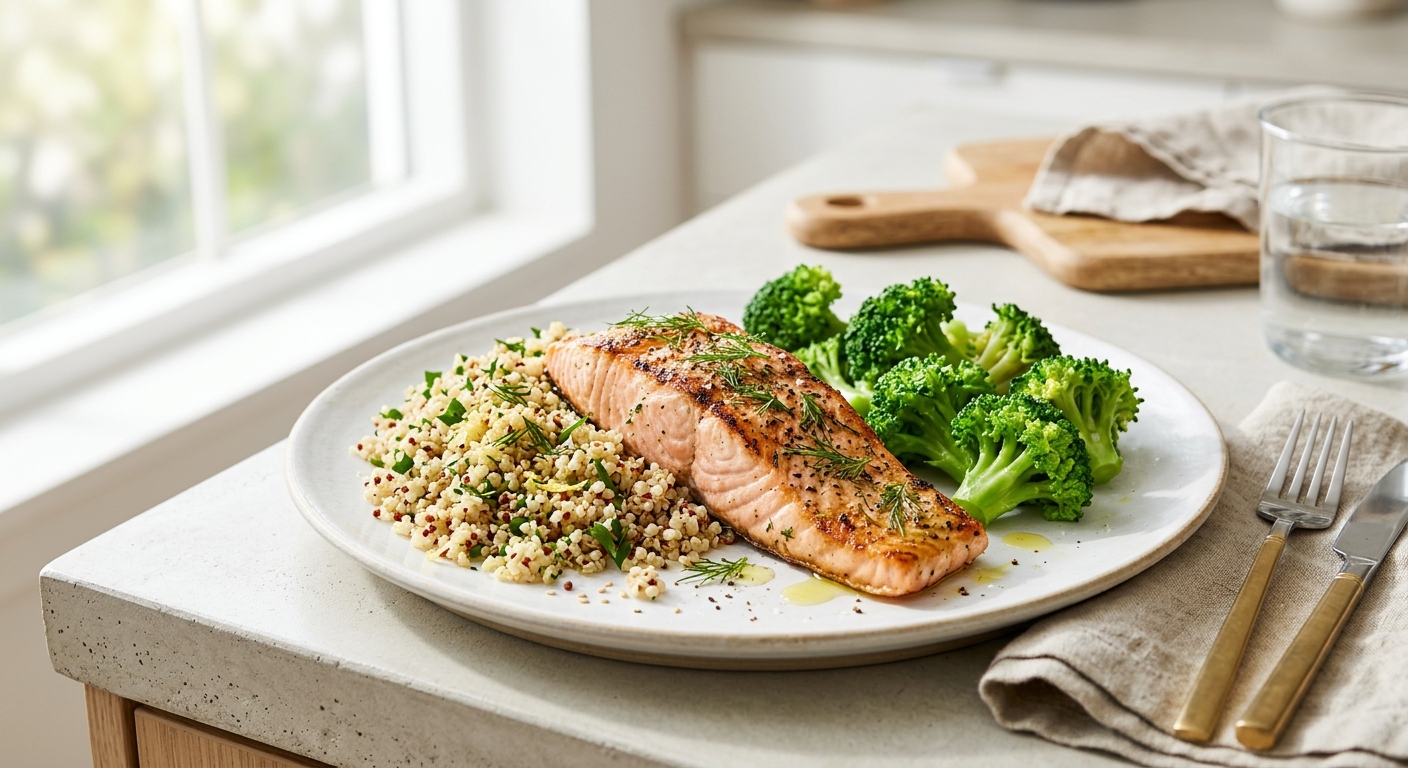
Optimizing nutrition on GLP-1 medications is crucial for long-term health, extending far beyond simple weight loss. It is about strategic nutrient intake to support metabolic health and prevent deficiencies.
Optimizing nutrition on GLP-1 medications extends far beyond simply eating less; it is a strategic approach to fuel your body for long-term health, manage side effects, and prevent nutrient deficiencies while supporting the medication's efficacy. It is about making every bite count.
This is not merely a diet but a fundamental shift in how your body processes and utilizes food. Many individuals focus solely on the scale, missing the critical opportunity to build a robust nutritional foundation that ensures both effective weight management and comprehensive well-being. This guide will equip you with the precise strategies needed to thrive on GLP-1 medications.
Beyond Weight Loss: What Most People Miss About Nutrition on GLP-1 Medications
Most people perceive GLP-1 medications primarily as weight loss tools, focusing almost exclusively on the reduced appetite and subsequent calorie deficit. However, this narrow view overlooks a critical aspect: the profound impact these medications have on nutrient absorption, metabolism, and digestive function. The real opportunity lies in leveraging this physiological shift to not just shed pounds, but to fundamentally improve metabolic health and prevent common pitfalls like muscle loss or nutrient deficiencies. For instance, a common mistake we see is individuals eating too little protein, which can lead to significant lean muscle mass reduction alongside fat loss, ultimately hindering long-term metabolic rate and strength. True success with GLP-1s requires a deliberate focus on nutrient density and strategic food choices, not just calorie restriction.
How Do GLP-1 Medications Impact Your Metabolism and Digestion?
GLP-1 receptor agonists, such as semaglutide and tirzepatide, exert their effects by mimicking natural incretin hormones, which play a crucial role in glucose regulation and appetite control. Specifically, they slow gastric emptying, meaning food stays in your stomach longer, promoting a sustained feeling of fullness. They also signal to the brain to reduce appetite and food cravings. This extended digestion time directly influences how nutrients are absorbed and how your body responds to meals. For example, the slower transit can affect the absorption rate of certain vitamins and minerals, making nutrient-dense food choices even more vital. Understanding this mechanism is key to tailoring your diet to support your body's altered digestive pace and hormonal signals. The American Diabetes Association highlights how these medications improve glycemic control by enhancing insulin secretion only when blood glucose levels are high, further underscoring their metabolic impact.
What Are the Core Nutritional Principles for GLP-1 Users?
The core nutritional principles for individuals on GLP-1 medications revolve around high-quality protein, adequate fiber, and healthy fats, alongside meticulous hydration. Because appetite is suppressed, every meal must be nutrient-packed. Aim for at least 20-30 grams of protein per meal from sources like lean meats, poultry, fish, eggs, dairy, or plant-based options. Fiber, found in vegetables, fruits, and whole grains, is essential for digestive health and managing satiety, targeting 25-35 grams daily. Healthy fats from avocados, nuts, seeds, and olive oil support hormone function and provide sustained energy. Prioritizing these macronutrients helps preserve lean muscle mass, stabilize blood sugar, and prevent common side effects.
- Prioritize Protein: Consume 0.8-1.2 grams of protein per kilogram of ideal body weight daily, spread across meals. This supports muscle maintenance and satiety.
- Embrace Fiber-Rich Foods: Include a variety of non-starchy vegetables, berries, and legumes to aid digestion and nutrient absorption.
- Choose Healthy Fats: Integrate sources like olive oil, avocados, and fatty fish to provide essential fatty acids and enhance satiety without excessive volume.
- Stay Hydrated: Drink at least 2-3 liters of water daily, especially between meals, to support digestion and prevent dehydration.
- Mindful Eating: Eat slowly, chew thoroughly, and pay attention to fullness cues to avoid discomfort and overeating.
Navigating Common Challenges: Nausea, Constipation, and Nutrient Deficiencies
Common challenges when starting GLP-1 medications include nausea, constipation, and the potential for nutrient deficiencies due to reduced food intake. Nausea often occurs with larger meals or fatty foods; opting for smaller, more frequent, bland meals can help. Constipation is frequently a result of slower gastric emptying and reduced fluid intake; increasing fiber and water intake is crucial. Nutrient deficiencies, particularly in B vitamins, vitamin D, iron, and calcium, can arise from eating less or from malabsorption. For instance, some individuals might experience lower vitamin B12 levels over time, necessitating supplementation. Addressing these proactively with dietary adjustments and, if necessary, targeted supplementation, is vital for comfort and long-term health.
| Challenge | Common Cause | Dietary Solution | Other Strategies |
|---|---|---|---|
| Nausea | Large meals, fatty foods, rapid eating | Smaller, frequent, bland meals; ginger tea; avoid fried/greasy foods | Eat slowly, stay upright after eating, talk to doctor about dosage |
| Constipation | Slower gastric emptying, low fiber/fluid intake | Increase water to 2-3L/day; high-fiber foods (vegetables, fruits, legumes) | Gentle exercise, consider a mild stool softener if advised by doctor |
| Diarrhea | Fatty foods, artificial sweeteners, rapid digestion of certain foods | Limit high-fat foods; avoid artificial sweeteners; BRAT diet (bananas, rice, applesauce, toast) | Stay hydrated with electrolytes, consult doctor if persistent |
| Fatigue | Inadequate calorie/nutrient intake, dehydration, blood sugar fluctuations | Ensure sufficient protein, complex carbohydrates, and healthy fats; consistent meal times | Prioritize sleep, manage stress, regular light activity |
| Nutrient Deficiencies | Reduced food intake, potential malabsorption | Focus on nutrient-dense foods; consider targeted supplements (e.g., B12, D, iron) after testing | Regular blood work to monitor levels, consult a registered dietitian |
Building a Sustainable Eating Pattern: Beyond the Initial Phase
Building a sustainable eating pattern is crucial once the initial rapid weight loss phase subsides, transitioning from restrictive eating to a balanced, long-term approach. The goal is to establish habits that support weight maintenance and overall health indefinitely. This means moving beyond "diet foods" and integrating a wide variety of whole, unprocessed foods that are both nutritious and enjoyable. For example, instead of strictly limiting carbohydrates, focus on complex carbohydrates like quinoa, sweet potatoes, and whole grains in appropriate portions. A rule-of-thumb is to fill half your plate with non-starchy vegetables, a quarter with lean protein, and a quarter with complex carbohydrates at most meals. This flexible framework, supported by adequate hydration and mindful eating, helps prevent diet fatigue and rebound weight gain.
Do Supplements Play a Role in Optimizing Nutrition on GLP-1 Medications?
Supplements can play a supportive role in optimizing nutrition on GLP-1 medications, particularly to address potential deficiencies that arise from reduced food intake or altered absorption. Many individuals may benefit from a daily multivitamin, especially one rich in B vitamins and vitamin D. Magnesium and potassium are also important electrolytes that can become imbalanced, particularly if experiencing nausea or diarrhea. However, it is crucial to approach supplementation strategically. For instance, the National Institutes of Health (NIH) emphasizes that supplements should complement, not replace, a nutrient-dense diet. Before starting any new supplement regimen, individuals should consult their healthcare provider or a registered dietitian to assess specific needs through blood tests and avoid potential interactions or excessive dosing. Targeted supplementation, based on individual needs, can help fill nutritional gaps while on GLP-1 medications.
Frequently asked questions
What foods should I avoid while on GLP-1 medications?
While no foods are strictly "forbidden," it is generally advisable to limit high-fat, fried, and overly processed foods, as these can exacerbate common side effects like nausea and indigestion due to slowed gastric emptying. Sugary drinks and refined carbohydrates should also be minimized to support blood sugar control and weight management goals.
How much protein do I really need when taking GLP-1s?
When taking GLP-1 medications, aiming for 0.8 to 1.2 grams of protein per kilogram of your ideal body weight daily is a good target. This helps preserve lean muscle mass during weight loss and promotes satiety, reducing the likelihood of overeating. Distribute this protein intake evenly across your meals.
Can GLP-1 medications cause nutrient deficiencies?
Yes, GLP-1 medications can indirectly lead to nutrient deficiencies because they reduce appetite and food intake. This can result in lower consumption of essential vitamins and minerals like B12, vitamin D, iron, and calcium. Regular monitoring and strategic dietary choices or supplementation are important to prevent this.
Is it safe to drink alcohol on GLP-1 medications?
It is generally recommended to consume alcohol in moderation, if at all, while on GLP-1 medications. Alcohol can worsen gastrointestinal side effects like nausea and may also impact blood sugar levels. It is always best to discuss alcohol consumption with your healthcare provider to understand personal risks.
How can I manage constipation while taking GLP-1s?
To manage constipation while taking GLP-1s, focus on significantly increasing your daily fluid intake to at least 2-3 liters of water. Incorporate plenty of fiber-rich foods such as vegetables, fruits, and whole grains into your diet. Regular physical activity can also help stimulate bowel movements.
Sources and further reading
- American Diabetes Association
- National Institutes of Health (NIH)
- Mayo Clinic
- Journal of the American Medical Association (JAMA)
This article is for general educational purposes only and does not constitute medical advice. Always consult with a qualified healthcare professional before making any decisions related to your health or treatment.
Disclaimer: This article is for general educational purposes only and is not medical advice. It is not a substitute for professional diagnosis or treatment. Always consult a qualified healthcare provider before making changes to your diet, supplements, training, or medication.