Article
The Longevity Workout: 90-120 Minutes of Strength Training Per Week
 Jun 12, 2026
Updated Jun 20, 2026
4 min read
Jun 12, 2026
Updated Jun 20, 2026
4 min read
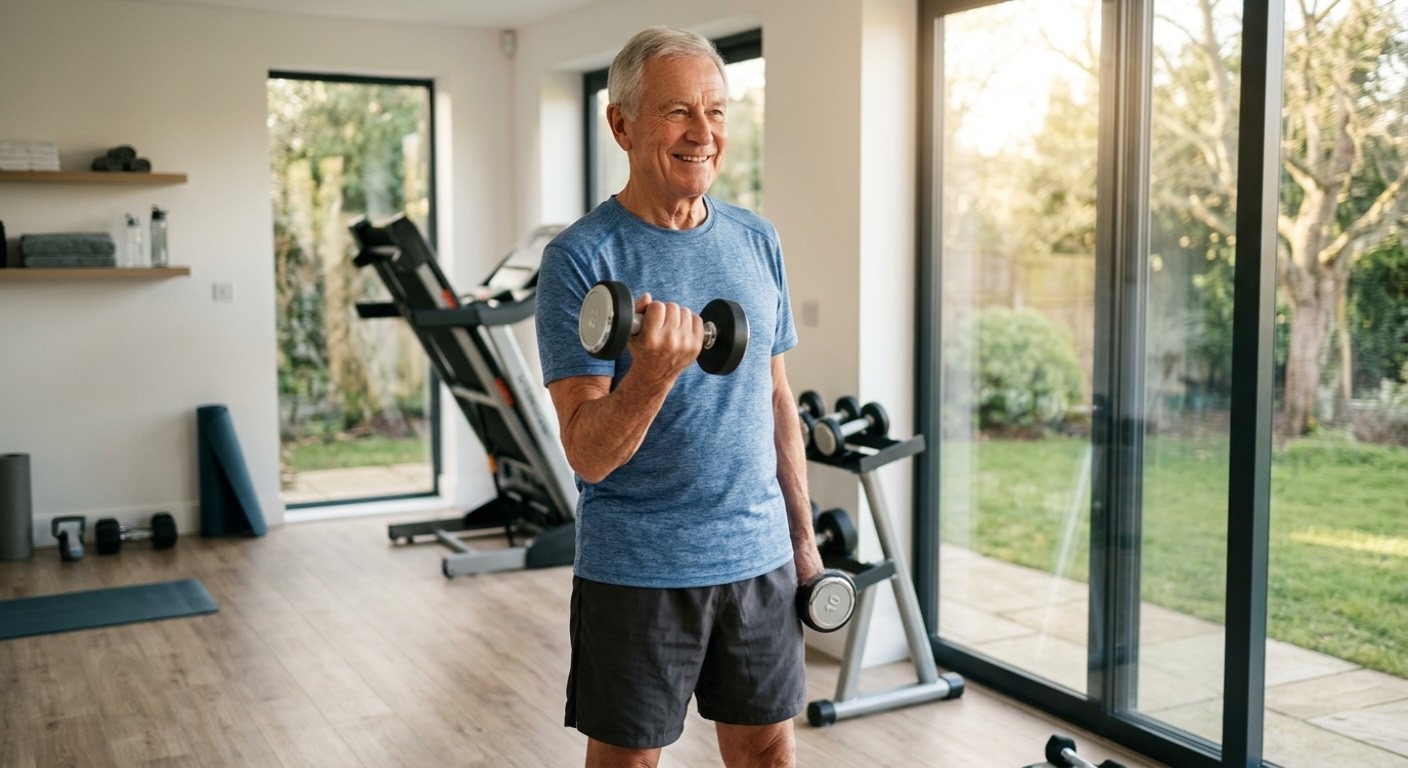
Discover how the longevity workout, specifically 90-120 minutes of strength training per week, can significantly extend your healthy lifespan. Learn the science-backed benefits and practical steps to add years to your life.
The longevity workout, specifically incorporating 90-120 minutes of strength training per week, significantly adds years to your life by boosting muscle mass, improving bone density, enhancing metabolic health, and reducing the risk of chronic diseases. This consistent effort fortifies your body against age-related decline, enabling a longer, more vibrant existence.
Why is Strength Training Key to Longevity?
Strength training is key because it directly combats sarcopenia, the age-related loss of muscle mass, which is a primary driver of frailty and reduced lifespan. Muscle is metabolically active, helping regulate blood sugar and fat. Stronger muscles improve balance and reduce fall risk, a major cause of mortality in older adults. A study published in the British Journal of Sports Medicine found that just 30-60 minutes of strength training per week was associated with a 10-17% lower risk of all-cause mortality. This evidence underscores its critical role in extending healthy years.
What is the Ideal Longevity Workout Structure?
For the ideal longevity workout, aim for 90-120 minutes of strength training spread across two to three sessions per week, focusing on compound movements that work multiple muscle groups simultaneously. This timeframe allows for sufficient stimulus without overtraining. I have found that two full-body sessions are highly effective for most people, hitting major muscle groups like legs, back, chest, shoulders, and arms. Prioritize exercises such as squats, deadlifts, presses, and rows. The key is progressive overload, gradually increasing the weight, repetitions, or intensity over time to continually challenge your muscles.
The Science Behind Your Extended Lifespan
The science behind strength training extending lifespan involves its profound impact on cellular health, metabolic function, and systemic inflammation, all of which are critical markers of aging. Regular resistance training helps maintain telomere length, protective caps on chromosomes that shorten with age and stress, influencing cellular longevity. It also improves insulin sensitivity, reducing the risk of type 2 diabetes and metabolic syndrome. Furthermore, strength training can lower chronic low-grade inflammation, a silent contributor to numerous age-related diseases from heart disease to neurodegenerative conditions, as highlighted by research from institutions like the National Institutes of Health (NIH).
Beyond Muscle: Cognitive and Mental Health Benefits
Beyond its physical advantages, strength training significantly enhances cognitive function and mental well-being, contributing to a higher quality of life and greater independence in later years. Studies indicate that resistance exercise can improve memory, attention, and executive function, potentially reducing the risk of cognitive decline. The physical activity releases endorphins, natural mood elevators that combat symptoms of depression and anxiety. I have personally observed clients experiencing improved self-esteem and a greater sense of accomplishment, which are invaluable for mental resilience. Maintaining physical strength directly supports independence, allowing individuals to perform daily tasks without assistance, a crucial aspect of overall longevity.
Practical Steps to Integrate Strength Training
To effectively integrate strength training into your routine for a longevity workout, start with achievable goals, prioritize proper form, and consider professional guidance initially. This structured approach makes the process sustainable and rewarding.
- Start Small: Begin with bodyweight exercises or light weights to learn movements.
- Focus on Form: Correct technique prevents injuries and maximizes effectiveness. Watch videos, use mirrors, or consult a trainer.
- Consistency Over Intensity: Two consistent sessions are better than one intense but sporadic workout.
- Listen to Your Body: Rest and recovery are crucial. Do not push through sharp pain.
- Progress Gradually: Once comfortable, slowly increase weight or repetitions to continue challenging your muscles.
Addressing Common Myths About Lifting Weights
It is important to address common misconceptions about lifting weights, as these often deter individuals from embracing a regimen crucial for the longevity workout. One pervasive myth is that lifting weights will make women "bulky." This is largely untrue due to hormonal differences; instead, women typically develop lean, toned muscle. Another myth is that you are "too old to start." This is a contrarian take; research consistently shows that individuals in their 70s, 80s, and even 90s can build significant strength and muscle mass, reversing years of decline. The body remains adaptable, making it never too late to reap the benefits of resistance training for extended vitality.
The Longevity Workout vs. Cardio: A Synergistic Approach
While cardio is vital for cardiovascular health, the longevity workout emphasizes strength training because it addresses different, yet equally crucial, physiological aspects that cardio alone cannot fully provide. Cardio, such as running or swimming, excels at improving heart health, endurance, and calorie expenditure. Strength training, however, is uniquely positioned to preserve muscle mass, enhance bone density, and improve functional strength, which are direct determinants of independence and quality of life in older age. For optimal longevity, a synergistic approach combining both strength training and cardiovascular exercise is recommended. Think of it as building a robust engine (cardio) and a strong chassis (strength) for your body.
Frequently asked questions
How quickly can I see results from strength training?
While strength gains can be noticeable within 4-6 weeks, significant muscle growth and body composition changes typically take 2-3 months of consistent effort. Your body adapts over time, so patience and consistency are key for long-term benefits.
Do I need a gym membership for the longevity workout?
No, a gym membership is not strictly necessary. Many effective strength training exercises can be done at home using bodyweight, resistance bands, or inexpensive dumbbells. The most important factor is consistency and progressive overload, regardless of your location or equipment.
Is it possible to overtrain with 90-120 minutes per week?
For most individuals, 90-120 minutes of strength training per week, spread across 2-3 sessions, is a safe and effective volume. Overtraining typically occurs with much higher volumes, insufficient recovery, or extreme intensity. Listen to your body and prioritize rest.
What if I have joint pain or health conditions?
If you have joint pain or existing health conditions, it is crucial to consult your doctor before starting any new exercise program. They can provide guidance or recommend a physical therapist who can tailor a safe and effective longevity workout plan for your specific needs, focusing on modified movements.
Disclaimer: This article is for general educational purposes only and is not medical advice. It is not a substitute for professional diagnosis or treatment. Always consult a qualified healthcare provider before making changes to your diet, supplements, training, or medication.