Functional Fitness for Everyday Strength: The Best Compound Lifts for Mobility and Longevity
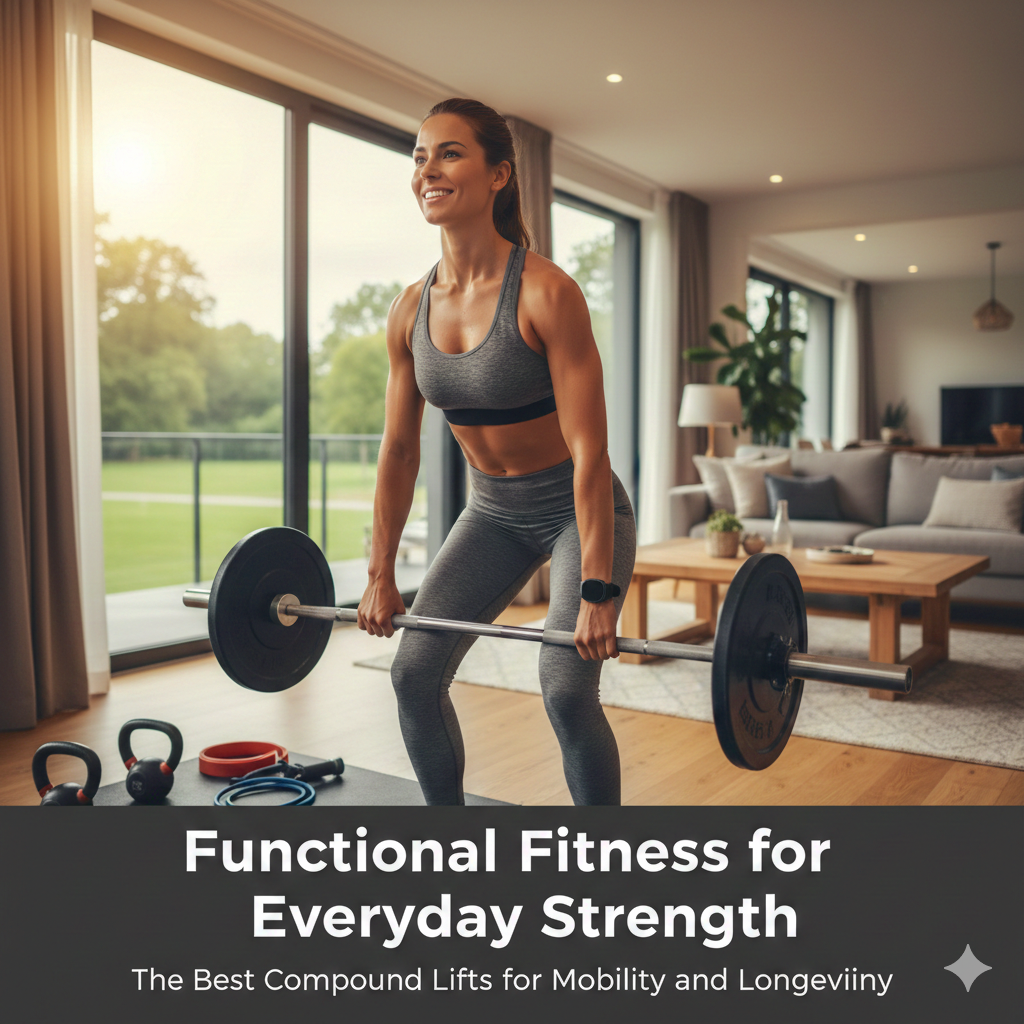
Functional fitness is training that prepares your body for real-life movements. It focuses on building strength, mobility, and coordination that you use every day.
Unlike exercises that only target one muscle, functional fitness uses compound lifts. These exercises work multiple muscle groups at once. They help you move better, feel stronger, and stay healthy as you age.
Compound lifts like squats, deadlifts, and push-ups build everyday strength. They improve how you bend, lift, reach, and carry. When done correctly, they also protect your joints and reduce injury risk.
This guide explains how functional fitness supports mobility and longevity. You'll learn the best compound lifts for building strength that lasts.
What Is Functional Fitness?
Functional fitness trains your body for daily activities. It focuses on movements you actually use in real life.
Think about the things you do every day. You squat down to pick things up. You push doors open. You lift groceries. You reach overhead to grab items from shelves.
Functional training strengthens these natural movement patterns. It builds muscles and joints that work together smoothly.
Functional Training vs. Isolation Exercises
Isolation exercises target one muscle at a time. Examples include bicep curls or leg extensions. These exercises have their place, but they don't teach muscles to work as a team.
Compound lifts are different. They engage multiple muscles and joints in one movement. This builds coordination and balance. It also saves time because you work more muscles with fewer exercises.
Why Functional Fitness Supports Daily Activities
Your body doesn't move one muscle at a time in real life. When you carry a heavy box, your legs, core, back, and arms all work together.
Functional fitness trains this full-body coordination. It makes everyday tasks easier and safer. You become more capable and confident in your movements.
Benefits of Compound Lifts for Mobility and Longevity
Compound lifts offer benefits that go beyond muscle growth. They support your body's ability to move well and stay strong over time.
Key Benefits
- Improved Joint Movement: Compound exercises take your joints through full ranges of motion. This maintains flexibility and reduces stiffness.
- Better Posture and Balance: These lifts strengthen the muscles that support your spine and pelvis. Good posture reduces back pain and improves stability.
- Stronger Muscles for Daily Tasks: Building strength makes lifting, carrying, and climbing stairs easier. You reduce strain on your body during everyday activities.
- Reduced Injury Risk: When done with proper form, compound lifts strengthen connective tissues. This helps protect your body from common injuries.
- Bone Health: Weight-bearing exercises increase bone density. This becomes more important as you age.
- Metabolic Benefits: Compound movements burn more calories and support healthy body composition.
Training for everyday strength is training for long-term health. The mobility and stability you build today protect you for years to come.
Best Compound Lifts for Everyday Strength
These exercises form the foundation of functional fitness. Each one trains multiple muscles and movement patterns you use daily.
Squats
What It Is: A squat involves bending your knees and hips to lower your body, then standing back up.
Muscles Worked: Quadriceps, hamstrings, glutes, core, lower back.
Everyday Benefits: Squats strengthen the movement you use when sitting down and standing up. They help you pick things up from the ground safely. Strong squat muscles protect your knees and lower back.
Beginner Safety Tips: Start with bodyweight squats. Keep your chest up and knees tracking over your toes. Don't let your knees collapse inward. Add weight only when you can do 15 bodyweight squats with good form.
Deadlifts
What It Is: A deadlift involves lifting weight from the ground by hinging at your hips and standing up straight.
Muscles Worked: Hamstrings, glutes, lower back, upper back, core, grip.
Everyday Benefits: This is the safest way to lift heavy objects from the floor. Deadlifts build a strong posterior chain. This supports your spine and prevents back injuries during daily lifting.
Beginner Safety Tips: Learn the hip hinge movement first without weight. Keep the weight close to your body. Start with light dumbbells or a kettlebell. Never round your lower back.
Push-Ups or Bench Press
What It Is: Push-ups involve pressing your body away from the ground. Bench press uses a barbell or dumbbells to press weight while lying on a bench.
Muscles Worked: Chest, shoulders, triceps, core.
Everyday Benefits: Pushing strength helps you get up from the ground, push open heavy doors, and move furniture. It also supports shoulder stability.
Beginner Safety Tips: Start with wall push-ups or knee push-ups. Progress slowly to full push-ups. For bench press, use light weight and get help with your form. Never bench press heavy weight without a spotter.
Pull-Ups or Rows
What It Is: Pull-ups involve pulling your body up to a bar. Rows involve pulling weight toward your torso while your body is supported.
Muscles Worked: Back muscles, biceps, rear shoulders, core.
Everyday Benefits: Pulling strength helps you carry bags, pull open doors, and lift yourself up. It balances pushing exercises and improves posture.
Beginner Safety Tips: Most beginners cannot do pull-ups right away. Start with assisted pull-ups, resistance band pull-ups, or inverted rows. For barbell rows, keep your back flat and pull the weight to your lower chest.
Overhead Press
What It Is: An overhead press involves pressing weight from shoulder height straight overhead.
Muscles Worked: Shoulders, triceps, upper chest, core.
Everyday Benefits: This movement helps you place items on high shelves and lift objects overhead safely. It builds shoulder stability and strength.
Beginner Safety Tips: Start with light dumbbells. Keep your core tight to protect your lower back. Don't arch your back excessively. Press the weight in a straight line above your head.
Lunges
What It Is: A lunge involves stepping forward and lowering your body until both knees are bent, then returning to standing.
Muscles Worked: Quadriceps, hamstrings, glutes, core, calves.
Everyday Benefits: Lunges train single-leg strength and balance. They help with walking, climbing stairs, and stepping over objects. They also improve hip mobility.
Beginner Safety Tips: Start with bodyweight lunges. Keep your front knee over your ankle. Don't let your knee collapse inward. Hold onto a wall for balance if needed.
How Beginners Should Start
Starting functional fitness correctly sets you up for long-term success. Focus on building a strong foundation before adding heavy weight.
Proper Warm-Up Importance
Always warm up before training. Spend 5 to 10 minutes doing light movement. This increases blood flow to your muscles and prepares your joints.
Good warm-up activities include walking, light jogging, arm circles, and bodyweight squats. Dynamic stretching also helps improve your range of motion.
Start with Bodyweight or Light Weights
Master the movement pattern before adding resistance. Bodyweight exercises teach proper form and build baseline strength.
When you're ready for weights, start very light. Use dumbbells, kettlebells, or resistance bands. Focus on control and form, not how much you can lift.
Focus on Form, Not Heavy Lifting
Perfect form prevents injuries and builds better strength. Poor form under heavy weight damages joints and creates bad movement habits.
Move slowly and deliberately. Feel which muscles are working. If you can't complete a movement with good form, reduce the weight or modify the exercise.
Consider working with a trainer for your first few sessions. They can teach you proper technique and watch for common mistakes.
Rest and Recovery Basics
Your muscles grow stronger during rest, not during the workout. Beginners should train 2 to 3 times per week with rest days between sessions.
Sleep is crucial for recovery. Aim for 7 to 9 hours per night. Stay hydrated and eat enough protein to support muscle repair.
Listen to your body. Some soreness is normal, but sharp pain is not. If something hurts, stop and reassess your form or take extra rest.
Progression for Intermediate and Advanced Users
Once you've built a foundation, you can advance your training. Focus on quality of movement and controlled progression.
Improving Range of Motion
Work on moving through fuller ranges of motion. Deep squats, full deadlifts, and complete overhead presses build more functional strength.
Mobility work supports better movement. Spend time on hip openers, shoulder mobility drills, and thoracic spine extensions.
Greater range of motion improves everyday movement. It also reduces compensation patterns that lead to injury.
Controlled Tempo
Slow down your lifts. Taking 3 to 4 seconds to lower the weight builds more strength and control. It also reduces joint stress.
Pause at the bottom of movements. This eliminates momentum and forces your muscles to work harder. It also improves stability in challenging positions.
Tempo training makes lighter weights more effective. You don't always need to lift heavier to get stronger.
Mobility Drills
Add specific mobility work to your routine. Focus on areas that feel tight or restricted.
Hip mobility exercises include 90/90 stretches, hip flexor stretches, and deep squat holds. Shoulder mobility drills include band pull-aparts, wall slides, and shoulder dislocations with a resistance band.
Regular mobility work maintains joint health. It also allows you to perform exercises with better form.
Training for Strength Without Joint Stress
Advanced training should protect your joints, not damage them. Use appropriate weights and avoid pushing through pain.
Include deload weeks where you reduce weight and intensity. This gives your connective tissues time to recover.
Vary your exercises. Different movement variations stress joints differently. This prevents overuse injuries.
Focus on longevity over performance. Training smart keeps you strong for decades, not just months.
Safety, Mobility, and Injury Prevention
Safe training practices keep you healthy and consistent. Small adjustments make a big difference in injury prevention.
Importance of Proper Form
Form always comes before weight. Bad technique under load causes injuries. It also teaches your nervous system inefficient movement patterns.
Record yourself or train with a mirror. Watch for common errors like rounded backs, collapsed knees, or excessive arching.
If you feel unstable or uncomfortable, reduce the weight. There's no shame in lifting lighter to maintain good form.
Listening to Your Body
Learn the difference between muscle fatigue and joint pain. Burning muscles and difficulty completing reps is normal. Sharp, stabbing, or grinding pain is not.
If something hurts, stop immediately. Trying to push through pain almost always makes it worse.
Take rest days when you're overly tired or sore. Overtraining increases injury risk and slows progress.
When to Stop or Reduce Intensity
Some days your body needs lighter training or rest. This is normal and healthy.
Reduce intensity if you're feeling run down, sleeping poorly, or recovering from illness. Your body needs resources for healing, not intense training.
If pain persists for more than a few days, consult a healthcare professional. Early intervention prevents small problems from becoming serious injuries.
General Mobility Advice
Hips: Tight hips limit squat and deadlift depth. They also cause lower back compensation. Regular hip stretching and foam rolling helps maintain healthy hip mobility.
Shoulders: Stiff shoulders increase injury risk during pressing and pulling exercises. Include shoulder mobility work in your warm-up.
Spine: A mobile thoracic spine (mid-back) reduces stress on your neck and lower back. Practice thoracic extensions and rotations regularly.
Mobility work doesn't need to take long. Just 10 minutes a day makes a significant difference.
Functional Fitness for Long-Term Health
Functional fitness isn't just about looking strong. It's about staying capable and independent as you age.
How Consistent Training Supports Aging Well
Regular strength training slows age-related muscle loss. After age 30, inactive people lose 3 to 5 percent of muscle mass per decade.
Maintaining muscle mass keeps your metabolism healthy. It also protects against falls and fractures. Strong muscles support healthy joints and bones.
Functional training preserves your ability to do activities you love. It keeps you independent and active throughout your life.
Staying Active Without Overtraining
Consistency matters more than intensity. Training moderately 3 to 4 times per week beats occasional hard workouts.
Balance training with other activities. Walking, swimming, yoga, and recreational sports all support overall fitness.
Don't train to exhaustion every session. Leave some energy in the tank. This approach is sustainable for years.
Building Strength That Lasts
Focus on movements, not just muscles. Your body works as a connected system. Train it that way.
Prioritize compound lifts over isolation exercises. These movements translate directly to real-world strength.
Make small, steady progress. Trying to rush results leads to injury and burnout. Patience builds lasting strength.
Celebrate what your body can do. Functional fitness improves your quality of life. That's worth more than any number on a scale or barbell.
Frequently Asked Questions
Is functional fitness good for beginners?
Yes, functional fitness is excellent for beginners. These exercises teach natural movement patterns your body already knows. Start with bodyweight versions and focus on proper form. Functional training builds a strong foundation for any fitness goal.
How often should I do compound lifts?
Beginners should train 2 to 3 times per week. This allows proper recovery between sessions. Intermediate and advanced lifters can train 3 to 5 times per week. Always include at least one full rest day per week.
Can functional training improve mobility?
Absolutely. Compound lifts take your joints through full ranges of motion. Combined with dedicated mobility work, functional training significantly improves flexibility and movement quality. Better mobility reduces pain and improves daily function.
Are compound lifts safe for older adults?
Yes, when done correctly. Strength training is crucial for healthy aging. It maintains bone density, muscle mass, and independence. Older adults should start light, focus on form, and progress slowly. Consider working with a qualified trainer initially.
Do I need a gym for functional fitness?
Not necessarily. Many functional exercises use bodyweight only. Push-ups, squats, lunges, and planks require no equipment. Resistance bands and dumbbells add variety at home. However, a gym provides more progression options and equipment.
Conclusion
Functional fitness builds strength that serves you every day. Compound lifts train your body to move better, feel stronger, and stay healthy.
Start with basic movements and proper form. Progress gradually and listen to your body. Focus on mobility and quality over heavy weight.
This approach to training protects your joints and builds lasting strength. It supports your ability to stay active and independent as you age.
Functional fitness isn't about perfection. It's about consistency and smart training choices. Every workout makes you stronger and more capable.
Invest in your long-term health today. Your future self will thank you.