Which Gym Is Best for Muscle Gain? Muscle Building Guide
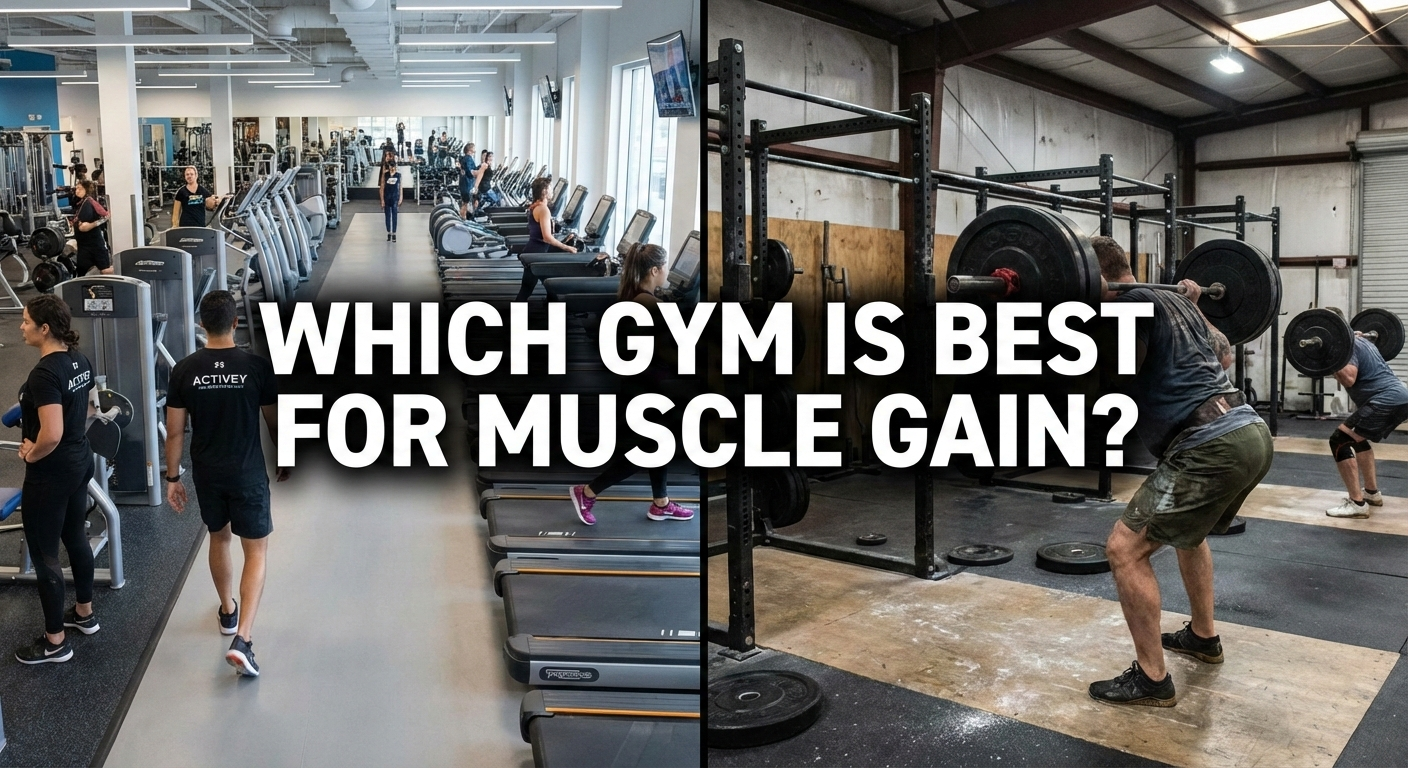
Introduction: Why Choosing the Right Gym Is Critical for Muscle Gain
Muscle gain is one of the most common fitness goals worldwide. Millions of people join gyms every year with the hope of building a stronger, bigger, and more aesthetic body. However, only a small percentage actually achieve noticeable muscle growth. The reason is not lack of effort, but lack of the right environment.
Choosing the wrong gym can slow progress, reduce motivation, and even lead to injury. A gym that is designed for general fitness or cardio may not provide the tools required for serious muscle gain. On the other hand, a gym built for hypertrophy and strength training can dramatically improve results when combined with proper nutrition and consistency.
This guide answers one of the most searched fitness questions on Google:
Which gym is best for muscle gain?
Understanding Muscle Gain (Hypertrophy Explained)
Before selecting the best gym, it’s important to understand how muscle growth actually works.
What Is Muscle Gain?
Muscle gain, scientifically known as muscle hypertrophy, occurs when muscle fibers are damaged through resistance training and then repaired during rest, becoming thicker and stronger.
Three Pillars of Muscle Growth
Muscle gain depends on three key factors:
Mechanical Tension – lifting heavy weights
Muscle Damage – controlled stress during workouts
Metabolic Stress – pump, time under tension
A gym must support all three to be effective for muscle growth.
Why Gym Choice Matters More Than Most People Think
Many people believe that “any gym is fine.” This is only partially true for beginners. As training experience increases, gym quality becomes a limiting factor.
A good muscle-building gym provides:
Heavy free weights
Progressive overload potential
Muscle-specific machines
Supportive training culture
Knowledgeable trainers
Without these, muscle gain slows down dramatically.
Types of Gyms: Which Ones Support Muscle Gain?
Not all gyms are built for hypertrophy. Let’s break them down.
1️⃣ Bodybuilding Gym – The Best Gym for Muscle Gain
Best for: Serious muscle growth, hypertrophy, aesthetics
Search intent: best gym for muscle gain
A bodybuilding gym is specifically designed for building muscle mass. These gyms prioritize resistance training over cardio and offer a wide range of free weights and isolation machines.
Why Bodybuilding Gyms Are Ideal for Muscle Gain
Heavy dumbbells (up to 80 kg or more)
Olympic barbells
Squat racks and power cages
Plate-loaded machines
Muscle isolation equipment
Minimal cardio distraction
Training Style Supported
Hypertrophy training
Progressive overload
Push–Pull–Legs (PPL)
Bro splits
Drop sets and supersets
👉 If your goal is muscle size, a bodybuilding gym is the best choice.
2️⃣ Commercial Gym – Good for Beginners, Limited for Advanced Muscle Gain
Commercial gyms are popular and easily accessible. They cater to a wide audience, including beginners, casual exercisers, and people focused on weight loss.
Pros:
Beginner-friendly machines
Clean environment
Certified trainers available
Flexible timings
Cons:
Limited heavy weights
Less isolation equipment
Crowded during peak hours
Rules restricting heavy lifting
Muscle Gain Potential:
✔ Good for beginners
❌ Limited for advanced lifters
3️⃣ Powerlifting Gym – Best for Strength-Focused Muscle Gain
Powerlifting gyms focus on three main lifts:
Squat
Bench press
Deadlift
Muscle Type Developed:
Dense, functional muscle
Strength-dominant physique
Best for:
Strength athletes
Low-rep, heavy training
Progressive overload
👉 Great for strength, but lacks isolation for aesthetic muscle shaping.
4️⃣ CrossFit Gym – Not Ideal for Pure Muscle Gain
CrossFit gyms emphasize functional fitness, endurance, and high-intensity workouts.
Why CrossFit Is Not Best for Muscle Gain:
High cardio volume
Limited isolation exercises
Short rest periods
Focus on performance over hypertrophy
👉 Not recommended if muscle size is your main goal.
Summary
| Gym Type | Muscle Gain Potential |
|---|---|
| Bodybuilding Gym | ⭐⭐⭐⭐⭐ |
| Commercial Gym | ⭐⭐⭐ |
| Powerlifting Gym | ⭐⭐⭐⭐ |
| CrossFit Gym | ⭐⭐ |
📖 PART 2
(Gym Equipment, Training Environment & Muscle-Gain Infrastructure)
The Role of Gym Equipment in Muscle Gain
When it comes to building muscle, equipment quality matters as much as training intensity. Many people train hard but fail to grow because their gym lacks the tools required for progressive overload and muscle isolation.
A gym suitable for muscle gain must support:
Heavy compound lifts
Muscle-specific isolation exercises
Safe progressive overload
Long-term strength progression
Let’s break this down in detail.
Essential Equipment Every Muscle-Building Gym Must Have
1. Free Weights – The Foundation of Muscle Gain
Free weights are non-negotiable for serious muscle building.
Why free weights matter:
Activate stabilizer muscles
Allow progressive overload
Improve neuromuscular coordination
Build dense, functional muscle mass
Must-have free weight equipment:
Olympic barbells (20 kg standard)
Adjustable benches (flat, incline, decline)
Heavy dumbbells (up to 50–80 kg)
Squat racks / power cages
Weight plates (iron or bumper)
If a gym limits dumbbells to 25–30 kg, muscle growth will eventually stall.
2. Compound Lift Stations (Critical for Hypertrophy)
Compound exercises stimulate multiple muscle groups and trigger maximum anabolic hormone response.
Key compound stations:
Squat rack
Deadlift platform
Bench press station
Overhead press rack
These lifts are essential for:
Testosterone stimulation
Strength foundation
Overall muscle mass development
A gym without proper compound stations is not ideal for muscle gain.
3. Plate-Loaded Machines – Advanced Muscle Growth Tool
Plate-loaded machines combine the benefits of free weights and machines.
Benefits:
Controlled movement
Heavy loading
Reduced injury risk
Better mind-muscle connection
Must-have plate-loaded machines:
Chest press
Incline press
Shoulder press
Hack squat
Plate-loaded row
These machines are commonly found in bodybuilding gyms, not basic commercial gyms.
4. Selectorized Machines – Isolation & Volume Training
Selectorized machines are useful for:
Beginners learning form
Isolation exercises
High-volume hypertrophy work
Drop sets and burnout sets
Important machines:
Lat pulldown
Seated row
Leg extension
Leg curl
Pec deck
Cable crossover
Isolation work is essential for shaping muscles and correcting imbalances.
5. Cable Machines – Muscle Definition & Tension Control
Cable machines provide constant tension, which is crucial for hypertrophy.
Best cable exercises for muscle gain:
Cable flyes
Triceps pushdowns
Face pulls
Cable curls
Lateral raises
A gym with multiple adjustable cable stations is a big advantage for muscle growth.
Equipment Red Flags (Avoid These Gyms)
Avoid gyms that:
Have more cardio machines than weights
Restrict chalk or heavy lifting
Lack squat racks
Have broken or poorly maintained equipment
Enforce unrealistic noise rules
Such gyms prioritize aesthetics and comfort over real muscle development.
Gym Environment & Culture: An Underrated Muscle Gain Factor
Muscle gain is not just physical—it’s psychological.
A muscle-building gym environment:
Encourages lifting heavy
Has experienced lifters
Respects progressive overload
Normalizes rest between sets
Supports long training sessions
Training around serious lifters increases:
Motivation
Training intensity
Consistency
Accountability
This environment is rarely found in cardio-focused gyms.
Importance of Trainer Expertise for Muscle Gain
Not all trainers are muscle-building specialists.
A good muscle-gain trainer understands:
Hypertrophy science
Progressive overload
Periodization
Volume vs intensity balance
Recovery management
Warning signs of poor trainers:
Only promote cardio
Avoid heavy lifts
Push random circuits
Ignore nutrition
A gym with experienced bodybuilding or strength coaches significantly improves muscle-building results.
Gym Layout & Space for Muscle Training
Space matters more than people think.
Ideal muscle-gain gym layout:
Separate free-weight zone
Dedicated squat/deadlift area
Spacious machine placement
Minimal cardio interference
Crowded gyms limit:
Rest time
Exercise selection
Workout flow
This directly reduces training quality.
Hygiene, Safety & Injury Prevention
Muscle gain requires long-term consistency. Injuries ruin progress.
A good gym:
Maintains clean equipment
Provides safety pins
Has proper flooring
Enforces correct lifting practices
Safety supports longevity, which is essential for building muscle naturally.
Cardio in a Muscle-Gain Gym (How Much Is Too Much?)
Cardio is not evil—but excess cardio kills muscle gain.
Muscle-friendly cardio guidelines:
2–3 sessions per week
Low to moderate intensity
Short duration (10–20 minutes)
Separate from heavy leg days
Gyms overloaded with cardio culture often discourage muscle growth.
Commercial Gym vs Bodybuilding Gym (Equipment Comparison)
| Feature | Commercial Gym | Bodybuilding Gym |
|---|---|---|
| Heavy Dumbbells | Limited | Extensive |
| Squat Racks | Few | Multiple |
| Isolation Machines | Moderate | Extensive |
| Training Culture | Casual | Serious |
| Muscle Gain Potential | Medium | High |
Who Should Choose Which Gym?
Choose a Bodybuilding Gym if:
Muscle size is your top goal
You train 4–6 days per week
You use progressive overload
You want visible physique changes
Choose a Commercial Gym if:
You’re a beginner
You want general fitness
You’re learning basic form
Summary
Best gym for muscle gain = bodybuilding-focused gym
Equipment quality determines growth potential
Free weights + machines are both essential
Training environment impacts consistency
Gym culture affects motivation