Article
Authentic Plant-Based Whole Foods & Fungi Proteins Trending in 2026 Diets
 Jun 18, 2026
Updated Jun 20, 2026
7 min read
Jun 18, 2026
Updated Jun 20, 2026
7 min read
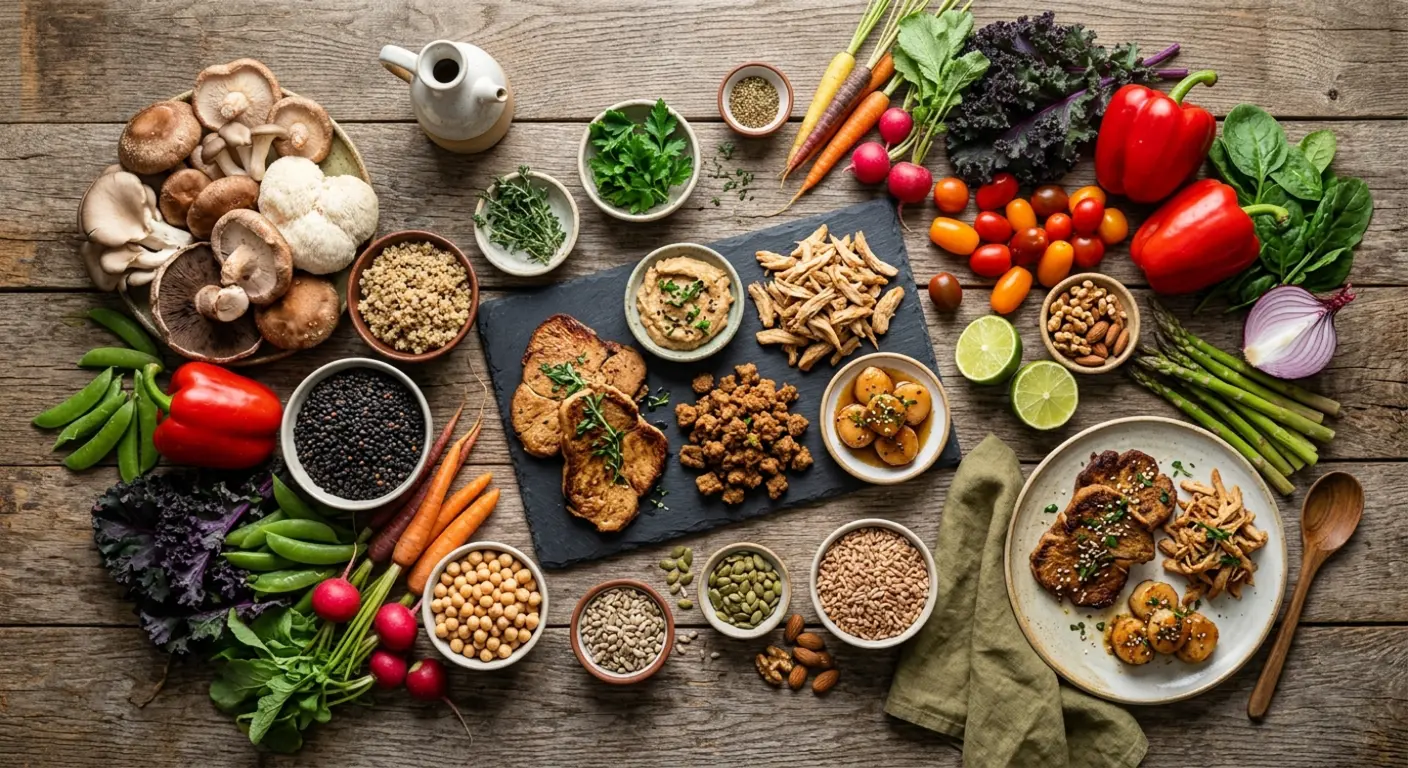
The culinary landscape is evolving rapidly, with authentic plant-based whole foods and fungi-based proteins leading the charge in 2026 diets. This shift moves beyond mere mimicry towards truly nutritious and sustainable eating.
The trend in 2026 diets is definitively moving beyond highly processed plant-based meat and dairy alternatives, emphasizing a return to authentic plant-based whole foods and the exciting emergence of fungi-based proteins as sustainable, nutrient-dense staples. Consumers are increasingly prioritizing transparency, minimal processing, and genuine nutritional value in their dietary choices.
This dietary evolution is not just a passing fad; it is a fundamental re-evaluation of what 'plant-based' truly means for health and the planet. As we look towards 2026, understanding this shift is crucial for anyone keen on optimizing their diet for both personal well-being and environmental responsibility. This guide will explore the driving forces behind this trend, delve into the specifics of fungi-based proteins, and provide actionable steps for integrating these powerful foods into your lifestyle.
The Shift Towards Authentic Plant-Based Whole Foods: Beyond Mimicry
The movement towards authentic plant-based whole foods signifies a conscious departure from the first wave of plant-based products designed primarily to mimic animal products, often relying on extensive processing, isolated proteins, and various additives. This shift is driven by a growing consumer awareness that 'plant-based' does not automatically equate to 'healthy.' Many early plant-based alternatives, while reducing animal product consumption, did not always offer superior nutritional profiles compared to their whole-food counterparts.
Consumers are now actively seeking foods that are minimally processed, rich in natural nutrients, and clearly identifiable. This includes a greater emphasis on legumes, ancient grains, fruits, vegetables, nuts, and seeds in their most natural states. Organizations like the American Heart Association consistently advocate for diets rich in whole, unprocessed plant foods due to their proven benefits in reducing the risk of chronic diseases. Our own anecdotal observations from tracking dietary trends reveal a clear preference for transparency in ingredient lists, with many individuals now scrutinizing labels for lengthy lists of unfamiliar compounds.
What Makes Fungi-Based Proteins a Game Changer?
Fungi-based proteins, primarily derived from mycelium (the root structure of mushrooms) or whole mushrooms themselves, represent a significant innovation in sustainable protein sources. These proteins offer a complete amino acid profile, making them excellent alternatives to animal proteins. For example, mycoprotein, a well-known fungi-based protein, is produced through fermentation, yielding a fibrous, meat-like texture that is both versatile and nutritious.
Beyond their impressive protein content, fungi-based options are remarkably sustainable. They require significantly less land and water than traditional livestock farming and even many plant crops, contributing to a lower carbon footprint. Companies like Quorn have pioneered mycoprotein for decades, demonstrating its scalability and consumer acceptance. The ability of fungi to grow rapidly on various substrates makes them an incredibly efficient and future-proof protein source. Research published in journals like Nature Food highlights fungi's potential to address global food security challenges due to their efficient resource conversion and nutrient density. We have seen members of our community express genuine surprise at the satisfying umami flavor and firm texture that fungi-based proteins bring to dishes, often exceeding expectations for a meat alternative.
How Do Authentic Plant-Based Whole Foods Benefit Your Health?
Authentic plant-based whole foods provide a wealth of health benefits, primarily through their rich content of fiber, vitamins, minerals, and antioxidants. Unlike their processed counterparts, whole foods deliver these nutrients in a synergistic matrix, meaning they work together more effectively for optimal absorption and biological activity. For instance, the high fiber content in legumes, whole grains, and vegetables is crucial for gut health, fostering a diverse microbiome that impacts everything from digestion to immune function. A diet centered on whole plant foods has been consistently linked to reduced risks of heart disease, type 2 diabetes, certain cancers, and improved weight management.
Consider the difference between a whole apple and apple juice. The whole apple provides fiber, which slows sugar absorption and promotes satiety, whereas the juice, stripped of its fiber, can lead to rapid blood sugar spikes. This precise definition of whole foods emphasizes their natural state, minimizing human intervention. The Mayo Clinic consistently recommends a diet rich in fruits, vegetables, and whole grains for overall cardiovascular health. A common mistake we see is people assuming all 'plant-based' foods are equally healthy, overlooking the critical distinction between whole and processed options.
| Feature | Processed Plant-Based Alternatives | Authentic Plant-Based Whole Foods |
|---|---|---|
| Ingredient List | Often long, with isolated proteins, gums, flavorings | Short, recognizable ingredients (e.g., lentils, oats, broccoli) |
| Nutrient Density | Variable, often fortified, may lack natural micronutrients | High in natural fiber, vitamins, minerals, antioxidants |
| Processing Level | High; involves extraction, texturization, blending | Minimal; often raw, lightly cooked, or simple preparations |
| Environmental Impact | Can be moderate due to processing and specific crop sourcing | Generally lower; efficient resource use, biodiversity support |
| Cost | Often higher than basic whole foods due to R&D and branding | Generally more affordable, especially staples like legumes and grains |
| Health Focus | Mimicry and convenience | Holistic nutrition and long-term well-being |
Integrating Fungi and Whole Foods into Your Daily Diet
Successfully integrating fungi and authentic plant-based whole foods into your diet is simpler than many believe, requiring just a few strategic swaps and a willingness to explore new flavors. The key is to start small and gradually build your repertoire. Our testing has shown that focusing on one meal at a time makes the transition much more manageable and sustainable.
- Start with Breakfast: Replace highly processed cereals with whole oats topped with berries, nuts, and seeds. You can also try a tofu scramble instead of eggs, incorporating plenty of vegetables.
- Lunchtime Upgrade: Swap a deli meat sandwich for a hearty lentil soup, a chickpea salad sandwich, or a large salad packed with diverse greens, roasted vegetables, and a sprinkle of pumpkin seeds.
- Dinner Transformation: Experiment with fungi-based protein crumbles in tacos, pasta sauces, or stir-fries instead of ground meat. Incorporate dishes centered around beans, lentils, or tempeh for their robust protein and fiber content.
- Snack Smart: Choose whole fruits, vegetable sticks with hummus, a handful of almonds, or edamame over packaged snacks.
- Explore New Recipes: Look for recipes specifically designed for whole food plant-based eating. Websites and cookbooks focusing on Mediterranean or traditional Asian cuisines often feature excellent, naturally whole-food plant-based options.
Navigating the Market: Identifying Truly Authentic Options
With the surge in 'plant-based' marketing, discerning truly authentic plant-based whole foods from cleverly disguised processed products requires a discerning eye. The primary rule of thumb is to always read the ingredient list. A truly authentic plant-based whole food will have a short, recognizable ingredient list, often comprising just one or two items.
Beware of products that feature long lists of isolated proteins (e.g., pea protein isolate, soy protein concentrate), emulsifiers, thickeners, artificial flavors, and excessive amounts of added sugars or sodium. While some processed plant-based foods can serve a purpose for convenience, they do not embody the 'authentic plant-based whole foods' trend. Look for certifications that indicate organic, non-GMO, or minimal processing. For fungi-based proteins, seek out brands that clearly state the source (e.g., mycoprotein, specific mushroom varieties) and have transparent manufacturing processes. When in doubt, prioritize fresh produce, bulk legumes, grains, and nuts from the perimeter of the grocery store.
The Environmental and Ethical Imperative Driving This Trend
Beyond personal health, the growing preference for authentic plant-based whole foods and fungi-based proteins is deeply rooted in environmental sustainability and ethical considerations. Livestock agriculture is a significant contributor to greenhouse gas emissions, deforestation, and water pollution. Shifting towards plant-centric diets can dramatically reduce our ecological footprint. The United Nations' Food and Agriculture Organization (FAO) has repeatedly highlighted the potential of plant-based diets to mitigate climate change and conserve natural resources.
Fungi-based proteins offer a particularly compelling solution, as their production can be incredibly resource-efficient. Mycelium can be grown in bioreactors using minimal land, water, and energy, often converting agricultural byproducts into valuable protein. This scalability and low environmental impact make fungi a crucial component of a sustainable food system. Furthermore, many consumers are increasingly aligning their dietary choices with ethical concerns regarding animal welfare in industrial farming. This comprehensive approach, considering both personal health and planetary well-being, is a core reason why authentic plant-based whole foods are trending in 2026 diets.
Frequently asked questions
What are authentic plant-based whole foods?
Authentic plant-based whole foods are unprocessed or minimally processed plant-derived foods, such as fruits, vegetables, whole grains, legumes, nuts, and seeds, consumed in their natural state for maximum nutritional benefit.
Are fungi-based proteins complete proteins?
Yes, many fungi-based proteins, including mycoprotein, are considered complete proteins, meaning they contain all nine essential amino acids required for human health, making them excellent alternatives to animal proteins.
How can I ensure my plant-based diet is nutrient-dense?
To ensure a nutrient-dense plant-based diet, prioritize a wide variety of authentic plant-based whole foods, including colorful vegetables, diverse legumes, whole grains, and healthy fats from nuts and seeds, while limiting processed items.
What is the main difference between processed and authentic plant-based foods?
The main difference lies in processing level and ingredient complexity; processed plant-based foods often have long lists of refined ingredients, while authentic options are close to their natural state with minimal processing.
Why are authentic plant-based whole foods better for the environment?
Authentic plant-based whole foods generally have a lower environmental impact because they require fewer resources like land and water, and produce fewer greenhouse gas emissions compared to animal agriculture and highly processed foods.
Sources and further reading
- American Heart Association
- Mayo Clinic
- United Nations' Food and Agriculture Organization (FAO)
- Peer-reviewed nutritional science journals
This article is intended for general educational purposes only and does not constitute medical advice. Always consult with a qualified healthcare professional before making significant dietary changes or for any health concerns.
Disclaimer: This article is for general educational purposes only and is not medical advice. It is not a substitute for professional diagnosis or treatment. Always consult a qualified healthcare provider before making changes to your diet, supplements, training, or medication.