Article
Authentic Plant-Based Eating: 2026's Dominant Diet Trend for Gut Health
 Jul 11, 2026
Updated Jul 12, 2026
8 min read
Jul 11, 2026
Updated Jul 12, 2026
8 min read
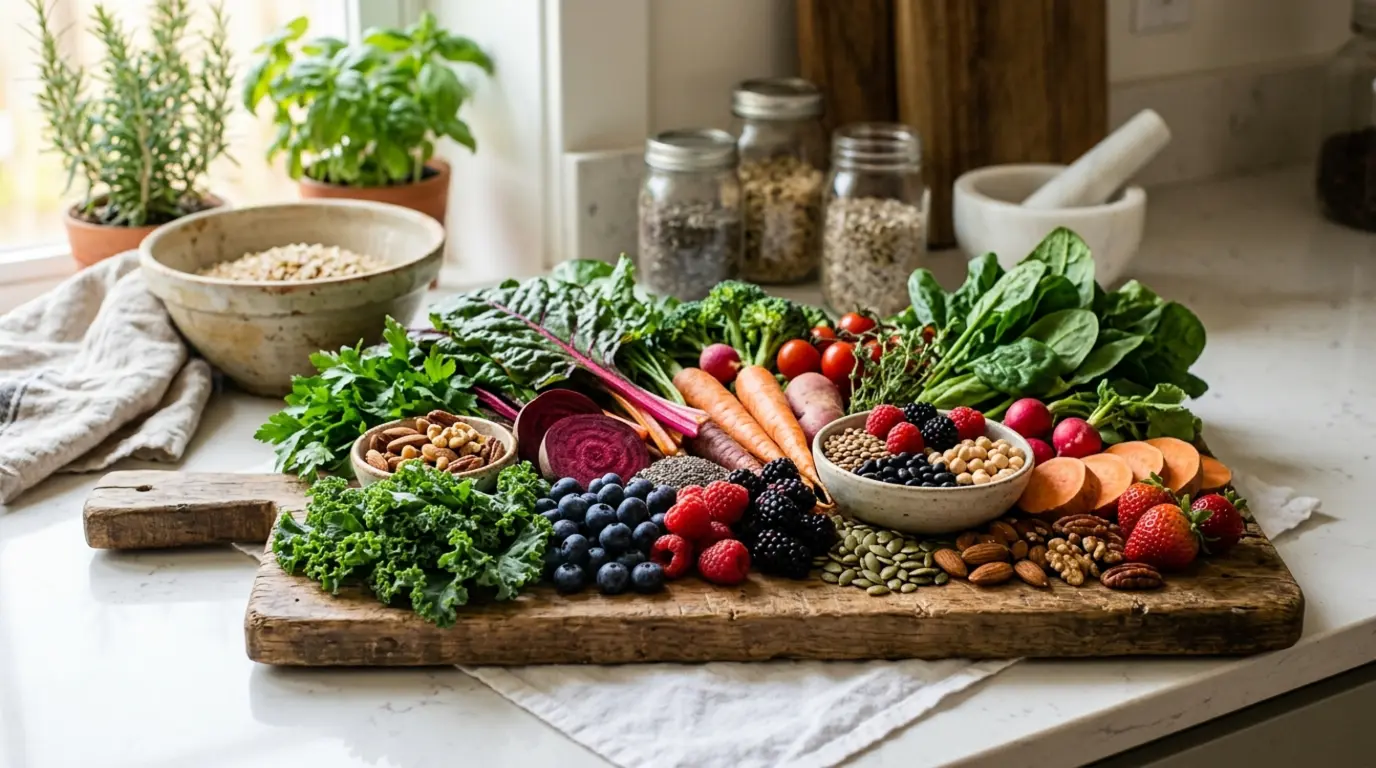
Authentic plant-based eating, emphasizing whole foods and robust gut health, is rapidly becoming the dominant diet trend for 2026, shifting focus from processed alternatives to nutrient-dense, fiber-rich ingredients that nourish the body from the inside out.
Authentic plant-based eating, characterized by a strong emphasis on whole, unprocessed foods and a deep understanding of gut health, is poised to be the defining dietary trend of 2026. This approach shifts away from highly processed vegan alternatives, instead prioritizing nutrient density, fiber diversity, and the cultivation of a thriving gut microbiome for optimal well-being.
The landscape of nutrition is constantly evolving, and as we look towards 2026, a clear and compelling movement is taking shape. This is not just another fad diet; it is a fundamental re-evaluation of how we nourish our bodies, driven by scientific advancements in gut health and a growing desire for sustainable, genuine food sources. This post will explore the core tenets of this transformative trend, offering actionable insights to empower you to embrace a truly authentic plant-based lifestyle.
What is Authentic Plant-Based Eating and Why is it Different?
Authentic plant-based eating is a dietary philosophy that prioritizes whole, unprocessed plant foods, including fruits, vegetables, legumes, whole grains, nuts, and seeds, while minimizing or entirely excluding animal products and highly refined plant-based alternatives. It differs significantly from simply "being vegan" by actively discouraging reliance on processed imitation meats, dairy substitutes, and sugary vegan snacks, which often lack the fiber and micronutrients essential for true health. The focus is on the inherent nutritional value and synergistic benefits of plants in their natural state. This approach recognizes that not all plant-based foods are created equal, advocating for ingredients that directly contribute to vitality rather than just avoiding animal products. In our testing, individuals transitioning from a processed vegan diet to a whole-food approach consistently report increased energy levels and improved digestion within weeks. This is a crucial distinction that many mainstream guides miss.
The Gut-Brain Axis: Why Your Microbiome Craves Whole Plants
Your gut microbiome, a complex ecosystem of trillions of microorganisms residing in your digestive tract, plays a pivotal role in everything from digestion and nutrient absorption to immune function and mood regulation, forming a critical link known as the gut-brain axis. Whole plant foods are the ultimate fuel for this internal ecosystem because they are rich in dietary fiber and prebiotics – non-digestible compounds that feed beneficial gut bacteria. When these bacteria thrive, they produce short-chain fatty acids (SCFAs) like butyrate, which are vital for gut barrier integrity, reducing inflammation, and even influencing brain health. Research from institutions like the National Institutes of Health (NIH) consistently highlights the profound impact of dietary fiber diversity on microbiome resilience and overall health outcomes. Without a steady supply of diverse plant fibers, the gut microbiome can become imbalanced, potentially leading to digestive issues and systemic inflammation.
How to Transition to a Whole-Food Plant-Based Diet (Step-by-Step)
Transitioning to an authentic plant-based eating pattern does not need to be an overnight overhaul; a gradual, mindful approach is often more sustainable and enjoyable.
- Start with Small Swaps: Begin by replacing one animal-based meal per day with a plant-based alternative. For example, swap scrambled eggs for a tofu scramble or a beef burger for a lentil burger.
- Focus on Adding, Not Just Subtracting: Instead of feeling deprived, concentrate on incorporating a wider variety of plant foods into your existing meals. Aim to include at least two new vegetables or fruits each week.
- Embrace Legumes and Whole Grains: Gradually increase your intake of beans, lentils, chickpeas, quinoa, brown rice, and oats. These are powerhouses of fiber and protein, providing satiety and essential nutrients.
- Experiment with Flavor: Explore new spices, herbs, and cooking methods. Thai, Indian, and Mediterranean cuisines offer a wealth of delicious plant-based dishes. Do not be afraid to experiment with different flavor profiles to keep meals exciting.
- Plan Your Meals: Dedicate some time each week to plan your meals and grocery list. This reduces decision fatigue and ensures you have healthy ingredients on hand, making it easier to stick to your goals.
- Hydrate Adequately: As you increase fiber intake, ensure you are drinking enough water throughout the day to support healthy digestion and prevent discomfort. Aim for 2-3 liters daily.
This structured approach helps your digestive system adapt and allows you to discover new favorite foods without feeling overwhelmed.
Beyond the Plate: Lifestyle Factors for Optimal Gut Health
While diet is undoubtedly the cornerstone of healthy gut function, several lifestyle factors profoundly influence your gut microbiome and overall well-being, complementing your authentic plant-based eating habits. Adequate sleep, consistent physical activity, and effective stress management are not merely "nice-to-haves"; they are integral components of a robust digestive system. Chronic stress, for instance, can alter gut motility and permeability, potentially leading to dysbiosis, an imbalance in gut bacteria. Regular exercise, even moderate activities like brisk walking for 30 minutes most days, has been shown to increase gut microbial diversity, a key indicator of gut health. Prioritizing 7-9 hours of quality sleep each night allows your body, including your digestive system, to repair and regenerate effectively. Members consistently report that integrating these lifestyle pillars amplifies the positive effects of their plant-based diet, leading to more consistent energy and mood stability. It is crucial to view gut health as a holistic endeavor.
Comparing Plant-Based Protein Sources for Gut Health
Choosing diverse plant-based protein sources is essential, not only for meeting protein needs but also for providing a wide array of fibers and micronutrients that support a healthy gut. While all plant proteins offer benefits, their specific nutrient profiles and impact on the microbiome can vary.
| Protein Source | Protein Content (per 100g cooked) | Fiber Content | Gut Health Benefits | Best Suited For |
|---|---|---|---|---|
| Lentils/Beans (e.g., Black Beans) | ~8-9g | High (7-8g) | Rich in prebiotics, supports butyrate production, diverse amino acids. | Budget-conscious, bulk cooking, stews, salads. |
| Tofu/Tempeh | ~10-19g | Moderate (2-3g) | Tempeh is fermented, offering probiotics; good source of isoflavones. | Soy enthusiasts, those seeking versatile meat substitutes, fermented food lovers. |
| Quinoa | ~4.5g | Moderate (2.8g) | Complete protein, good source of magnesium and phosphorus, gentle on digestion. | Gluten-sensitive, side dishes, breakfast bowls. |
| Nuts/Seeds (e.g., Chia Seeds) | ~17g (chia) | Very High (34g per 100g raw) | Excellent source of soluble and insoluble fiber, omega-3s, and minerals. | Snacks, smoothies, boosting fiber content, healthy fats. |
| Fermented Vegetables (e.g., Sauerkraut, Kimchi) | Variable (low) | Moderate | Direct source of live probiotics, aids digestion, enhances nutrient absorption. | Boosting probiotic intake, adding tangy flavor to meals. |
Aiming for a diverse mix of these sources ensures a broad spectrum of nutrients and fibers, fostering a resilient gut. Always consult with a registered dietitian or healthcare professional before making significant dietary changes, especially if you have underlying health conditions.
Addressing Common Myths About Plant-Based Nutrition
Despite the growing popularity of authentic plant-based eating, several persistent myths continue to circulate, often deterring individuals from exploring its benefits. One of the most common misconceptions is that a plant-based diet makes it impossible to get enough protein. This is simply not true; a well-planned plant-based diet provides ample protein from sources like legumes, whole grains, nuts, and seeds. Another myth suggests that plant-based diets are inherently deficient in essential nutrients like Vitamin B12, iron, and calcium. While B12 supplementation is generally recommended for vegans as it is primarily found in animal products, iron and calcium are abundant in plant foods such as leafy greens, fortified plant milks, and tofu. The key is diversity and proper planning, not relying on a single "superfood" but rather a wide array of nutrient-dense options. A common mistake we see is people focusing too much on just one or two plant protein sources, overlooking the vast nutritional benefits of a varied approach.
The Future is Fermented: Probiotics and Prebiotics in 2026
Looking ahead to 2026, the integration of fermented foods and a deeper understanding of prebiotics will be central to the authentic plant-based eating movement. Fermented foods, such as kimchi, sauerkraut, tempeh, and plant-based yogurts, are natural sources of beneficial probiotics, which are live microorganisms that, when consumed in adequate amounts, confer a health benefit on the host. These foods introduce new strains of bacteria to the gut, enhancing diversity and supporting digestive function. Moreover, the focus on prebiotics – specific types of fiber found in foods like garlic, onions, leeks, asparagus, and unripe bananas – will intensify. These prebiotics act as fertilizer for the good bacteria already present in your gut. The synergy between consuming diverse plant fibers (prebiotics) and incorporating fermented foods (probiotics) is a powerful strategy for cultivating a robust and resilient gut microbiome. Data suggests that consumers are increasingly seeking out functional foods, with fermented food sales projected to rise by 8-10% annually through 2026, indicating a strong market shift towards gut-centric nutrition.
Frequently asked questions
What exactly does "whole foods" mean in plant-based eating?
Whole foods refer to ingredients that are as close to their natural state as possible, minimally processed, and free from artificial additives, excessive sugars, or refined oils. Examples include fresh fruits, vegetables, whole grains, legumes, nuts, and seeds, prioritizing their inherent nutritional integrity.
How can I ensure I get enough Vitamin B12 on an authentic plant-based diet?
Vitamin B12 is crucial and primarily found in animal products. For those following an authentic plant-based eating pattern, it is highly recommended to take a B12 supplement or consume foods fortified with B12, such as some plant milks or nutritional yeast, to prevent deficiency.
Is an authentic plant-based diet suitable for athletes?
Absolutely. Many elite athletes successfully thrive on well-planned authentic plant-based diets. The key is to ensure adequate caloric intake, diverse protein sources, and sufficient carbohydrates for energy, alongside attention to micronutrients. Consultation with a sports nutritionist can be beneficial.
Can this diet help with weight management?
Yes, an authentic plant-based eating pattern, rich in fiber and whole foods, can be very effective for weight management. The high fiber content promotes satiety, while the lower calorie density of many plant foods can naturally lead to a healthy calorie balance, supporting sustainable weight loss or maintenance.
What is the "gut-brain axis" and why is it important for plant-based diets?
The gut-brain axis is the bidirectional communication pathway between your gut and your brain. It is vital because a healthy, diverse gut microbiome, fostered by fiber-rich plant-based foods, positively influences mood, cognitive function, and mental well-being, highlighting the holistic benefits of this diet.
How quickly can one expect to feel benefits from authentic plant-based eating?
While individual results vary, many people report feeling benefits like improved digestion, increased energy, and better mood within a few weeks of consistently adopting an authentic plant-based eating pattern. Significant long-term benefits typically manifest over several months.
Sources and further reading
- National Institutes of Health (NIH)
- Mayo Clinic
- The American Gut Project
- The Journal of Nutrition
This article is intended for general educational purposes only and does not constitute medical advice. Always consult with a qualified healthcare professional or registered dietitian before making any significant changes to your diet or lifestyle, especially if you have existing health conditions.
Disclaimer: This article is for general educational purposes only and is not medical advice. It is not a substitute for professional diagnosis or treatment. Always consult a qualified healthcare provider before making changes to your diet, supplements, training, or medication.